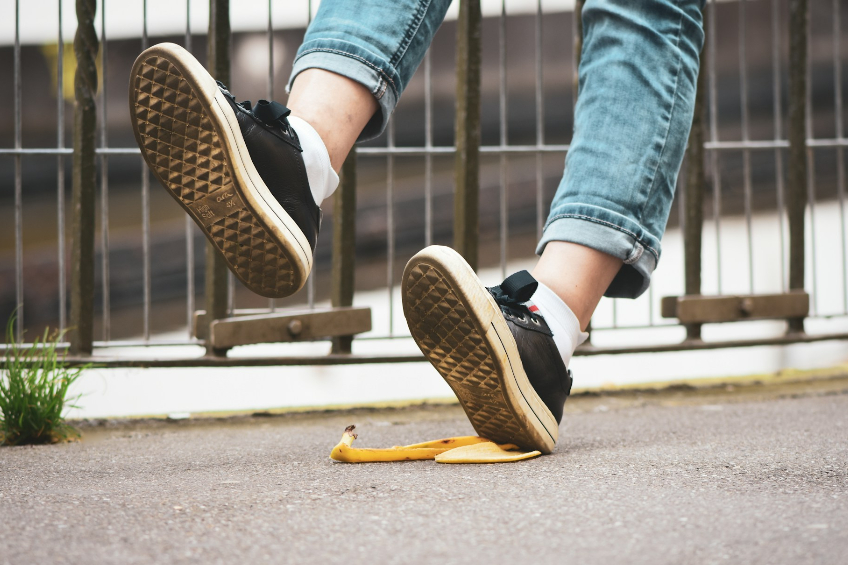
After a slip and fall accident, the dangerous condition that caused the fall may disappear quickly. A wet floor can be cleaned, ice can melt, a broken mat can be moved, and poor lighting may be changed. Because of this, photos can become one of the most important pieces of evidence in a New Jersey premises liability claim.
A person who is injured in a fall may be focused on pain, embarrassment, or confusion in the moment. However, if it is possible to safely take photos, those images can help show what the property looked like before the owner, employees, or maintenance staff had a chance to fix the problem.
Photos Help Prove the Hazard
In a slip and fall case, it is usually not enough to simply say that a fall happened. The injured person must often show that a dangerous condition existed and that the property owner knew or should have known about it. Photos can help prove what caused the fall.
For example, pictures may show spilled liquid, snow or ice, broken stairs, uneven flooring, loose rugs, missing warning signs, poor lighting, cluttered walkways, cracked pavement, or a damaged handrail. These details can be difficult to describe later, especially if the condition changes after the accident.
Photos Can Show Notice
Notice is a key issue in many New Jersey slip and fall claims. A property owner may argue that they did not know about the hazard or that it appeared only moments before the fall. Photos can sometimes help challenge that argument.
For example, if a spill has footprints, cart tracks, dirt, or smearing, it may suggest that the liquid was on the floor long enough for others to walk through it. If ice appears thick or untreated, it may support the argument that the condition existed for a longer period. If a broken step looks worn or unrepaired, that may show the problem was not new.
What Photos Should Include
Useful photos should show more than just a close-up of the hazard. It is helpful to take pictures from different angles and distances. A close-up can show the specific danger, while a wider photo can show where the hazard was located. Photos of the surrounding area can also show whether warning signs were present, whether lighting was poor, or whether the walkway was blocked.
If injuries are visible, photos of bruising, swelling, cuts, or other physical harm may also help document the seriousness of the accident. These photos should be taken over time because some injuries become more visible in the days after a fall.
Photos Can Protect Against Insurance Arguments
Insurance companies may try to reduce or deny a slip and fall claim by arguing that the hazard was obvious, that the injured person was not paying attention, or that the property owner acted reasonably. Photos can help respond to these arguments by showing the real condition of the area.
In New Jersey, comparative negligence may reduce compensation if the injured person is found partly responsible. Strong photos can help show that the hazard was not easy to avoid or that the property owner failed to correct a dangerous condition.
Final Thoughts
Photos matter after a slip and fall accident because they preserve evidence that may otherwise disappear. They can help prove what caused the fall, where it happened, how dangerous the condition was, and whether warning signs were missing. Anyone injured in a slip and fall accident in New Jersey should seek medical care, report the accident, and preserve as much evidence as possible. Clear photos can make a major difference in the strength and value of a claim.