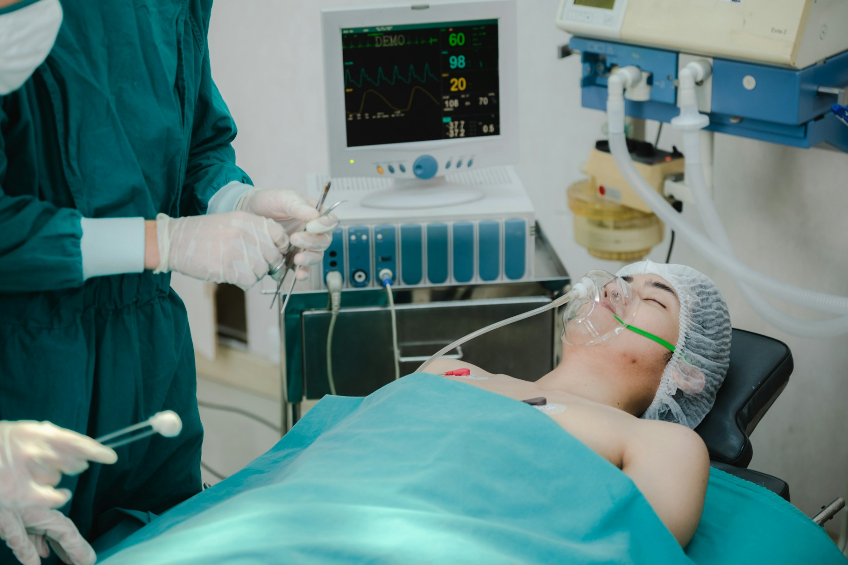
Anesthesia plays a critical role in modern medicine, allowing patients to undergo surgical and diagnostic procedures safely and without pain. While generally considered safe, errors involving anesthesia can have serious and sometimes life-threatening consequences. In New Jersey, patients harmed by anesthesia-related mistakes may have legal options under medical malpractice law.
Understanding Anesthesia Errors
Anesthesia errors occur when a healthcare provider fails to meet the accepted standard of care in administering or monitoring anesthesia. These errors can happen before, during, or after a procedure. Common examples include:
- Incorrect dosage of anesthesia
- Failure to properly monitor vital signs
- Delayed response to complications
- Improper intubation or airway management
- Failure to review a patient’s medical history or allergies
Even small mistakes can lead to significant harm, particularly because anesthesia affects critical bodily functions such as breathing, heart rate, and brain activity.
Risks and Potential Consequences
The risks associated with anesthesia errors can be severe. Patients may experience:
- Brain damage due to lack of oxygen
- Cardiac complications
- Stroke or respiratory failure
- Awareness during surgery (anesthesia awareness)
- Long-term cognitive impairment
In the most serious cases, anesthesia errors can result in permanent disability or death. The extent of harm often depends on how quickly the error is recognized and addressed.
Causes of Anesthesia Errors
These incidents may result from a variety of factors, including human error, inadequate training, communication breakdowns, or equipment malfunction. For example, failing to review a patient’s medical history or medication list can increase the risk of adverse reactions. Similarly, lack of proper monitoring during surgery may delay the detection of complications.
Hospitals and surgical centers are expected to maintain strict protocols to minimize these risks.
Legal Basis for a Claim
In New Jersey, anesthesia error cases are typically pursued as medical malpractice claims. To establish liability, it must be shown that:
- A healthcare provider owed a duty of care to the patient
- The provider deviated from the accepted standard of care
- This deviation directly caused injury
- The patient suffered measurable damages as a result
Because these cases involve complex medical issues, expert testimony is usually required to explain what the standard of care should have been and how it was violated.
The Role of the Affidavit of Merit
New Jersey law requires plaintiffs in medical malpractice cases to file an Affidavit of Merit early in the process. This document, prepared by a qualified medical expert, confirms that there is a reasonable basis to believe malpractice occurred. Failure to meet this requirement can result in dismissal of the claim.
Compensation for Anesthesia Errors
Victims of anesthesia-related negligence may be entitled to compensation for:
- Medical expenses, including corrective treatment and rehabilitation
- Lost income and reduced earning capacity
- Pain and suffering
- Long-term care needs in cases of permanent injury
In wrongful death cases, surviving family members may also pursue compensation for related losses.
Time Limits for Filing a Claim
Medical malpractice claims in New Jersey are generally subject to a two-year statute of limitations. However, the timeline may vary depending on when the injury was discovered. Prompt evaluation is important to preserve evidence and comply with legal deadlines.
Conclusion
Anesthesia errors, though relatively rare, can have devastating consequences when they occur. New Jersey law provides a framework for holding healthcare providers accountable when negligence leads to harm. A thorough investigation, supported by medical expertise, is essential to determine whether a valid claim exists and to pursue appropriate compensation for the injuries sustained.