When someone is injured in an accident, fault is not always completely one-sided. In many personal injury cases, both parties may have contributed to what happened. New Jersey uses a legal rule called modified comparative negligence, which determines whether an injured person can recover compensation and how much that compensation may be reduced.
Under New Jersey law, a person can still recover damages if their own negligence was not greater than the negligence of the other party or parties. However, any award is reduced by the injured person’s percentage of fault. This rule is found in New Jersey’s Comparative Negligence Act, N.J.S.A. 2A:15-5.1.
What Comparative Negligence Means
Comparative negligence means that responsibility for an accident can be divided between multiple people. Instead of asking only who caused the accident, the court or insurance company may look at how much each person contributed to it.
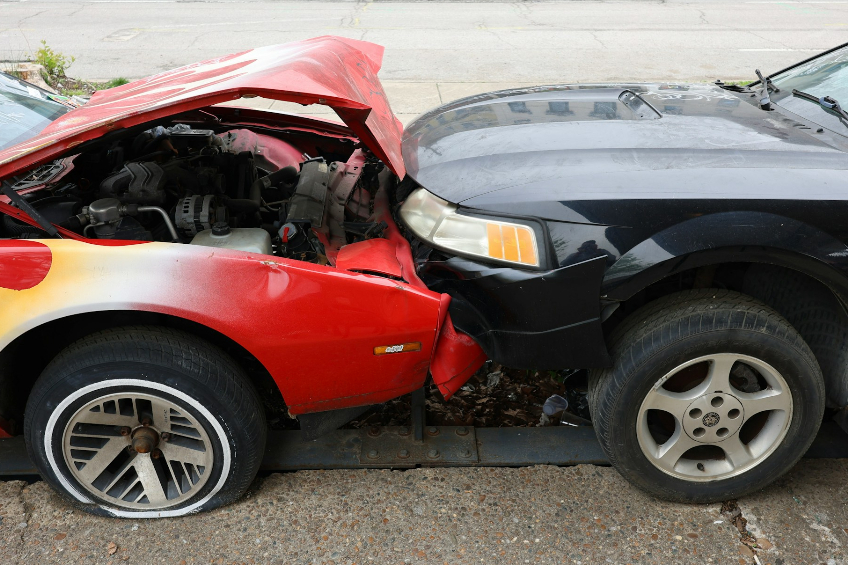
For example, in a car accident, one driver may have run a red light, while the other driver may have been speeding. In a slip and fall case, a store may have failed to clean a spill, while the injured person may have ignored a visible warning sign. In these situations, New Jersey law allows fault to be split by percentage.
The 51% Bar Rule in New Jersey
The most important part of New Jersey’s comparative negligence system is the 51% bar rule. If the injured person is found to be 50% or less at fault, they may still recover compensation. If they are found to be 51% or more at fault, they are barred from recovering damages.
This means that a small difference in fault percentage can have a major impact on a case. A person who is 50% responsible may still receive part of their damages. A person who is 51% responsible receives nothing.
How Damages Are Reduced
When an injured person shares fault, the final compensation is reduced by their percentage of responsibility.
For example, if a person’s damages are valued at $100,000 and they are found 20% at fault, their recovery would be reduced by 20%. That means they could receive $80,000. If they are found 40% at fault, they could receive $60,000. If they are found 51% at fault, they would not recover anything.
This rule applies to many types of negligence claims, including car accidents, truck accidents, pedestrian accidents, slip and fall cases, and other personal injury matters.
Why Fault Percentages Matter
Insurance companies often use comparative negligence arguments to reduce the value of a claim. They may argue that the injured person was distracted, careless, speeding, ignoring warnings, or failing to avoid the hazard. Even if the other party was clearly negligent, assigning some fault to the injured person can reduce the amount the insurer has to pay.
Because of this, evidence is very important. Police reports, photos, videos, witness statements, medical records, accident reconstruction, maintenance records, and property inspection records can all affect how fault is assigned.
Comparative Negligence in Settlement Negotiations
Many personal injury cases settle before trial, but comparative negligence still plays a major role during negotiations. An insurance adjuster may offer less money by claiming the injured person shares blame. The injured person’s attorney may respond by showing evidence that the defendant’s conduct was the primary cause of the accident.
The stronger the evidence against the defendant, the harder it may be for the insurance company to shift blame unfairly.
Final Thoughts
New Jersey’s comparative negligence rule allows injured people to recover compensation even when they are partly responsible, as long as they are not more than 50% at fault. However, the amount they receive will be reduced based on their share of responsibility.
For anyone involved in a personal injury claim, understanding comparative negligence is important because fault percentages can directly affect the final outcome. A careful investigation and strong evidence can make a significant difference in protecting the value of a claim.