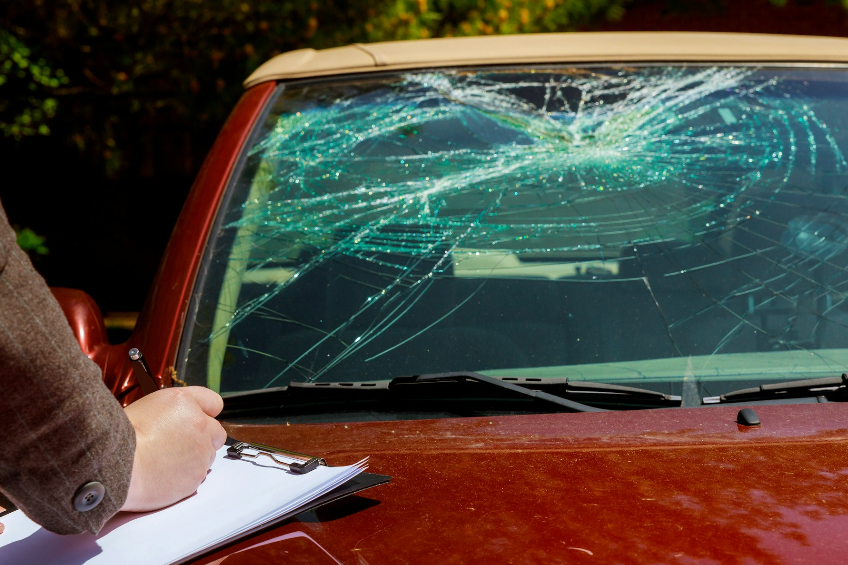
Auto accidents can cause many types of injuries, but traumatic brain injuries are among the most serious. A traumatic brain injury, often called a TBI, happens when a sudden blow, jolt, or impact affects the brain. In a car accident, this may happen when the head strikes a window, dashboard, steering wheel, or headrest. It can also happen even without a direct hit to the head if the crash force causes the brain to move inside the skull.
Why Brain Injuries Are Often Missed
One of the most dangerous parts of a traumatic brain injury is that symptoms may not appear right away. After a crash, a person may feel shaken, tired, or confused and assume the symptoms will pass. However, headaches, dizziness, nausea, blurred vision, memory problems, mood changes, sleep issues, and trouble concentrating can all be signs of a brain injury. The CDC also warns that worsening headaches, repeated vomiting, slurred speech, seizures, unusual behavior, or loss of consciousness may require emergency medical attention.
Because symptoms can be delayed, medical evaluation is important after a serious collision. A person who walks away from the accident scene may still have a concussion or another form of brain injury. Medical records also become important evidence if an injury claim is later filed.
How Auto Accidents Cause TBIs
TBIs can happen in rear-end crashes, head-on collisions, side-impact accidents, rollovers, pedestrian accidents, motorcycle crashes, and truck accidents. The force of the collision can cause the brain to twist, stretch, or strike the inside of the skull. Even a low-speed crash may cause harm, especially when the victim’s head or neck moves suddenly.
Some brain injuries are considered mild, such as concussions, while others are moderate or severe. However, “mild” does not mean unimportant. Even a mild TBI can interfere with work, school, driving, sleep, relationships, and daily activities.
Legal Issues in New Jersey TBI Claims
In New Jersey, medical bills after an auto accident often begin with Personal Injury Protection, also known as PIP. PIP is commonly called no-fault coverage because it may pay covered medical expenses regardless of who caused the crash. The New Jersey Department of Banking and Insurance explains that PIP pays when covered persons are injured in an automobile accident and includes medical expense coverage.
However, a serious traumatic brain injury may also support a claim against the at-fault driver, especially when the injury causes long-term impairment, lost income, pain and suffering, or permanent limitations. These cases often require strong evidence, including emergency room records, neurological evaluations, diagnostic testing, therapy records, expert opinions, and documentation of how the injury changed the victim’s life.
Protecting a Brain Injury Claim
After an accident, it is important to report symptoms clearly and consistently. A person should not minimize headaches, confusion, memory loss, dizziness, mood changes, or sensitivity to light and noise. Insurance companies may argue that symptoms are unrelated, exaggerated, or caused by something else. Clear medical documentation helps connect the injury to the crash.
Victims should also keep records of missed work, medical appointments, prescriptions, therapy, and daily struggles. In TBI cases, family members may notice personality changes, forgetfulness, irritability, or fatigue before the injured person fully recognizes the problem.
Final Thoughts
Traumatic brain injuries from auto accidents can affect every part of a person’s life. In New Jersey, these claims should be taken seriously from the beginning because symptoms may be delayed and insurance companies may challenge the cause or severity of the injury. Prompt medical care, careful documentation, and a clear legal strategy can help protect the value of a TBI claim.