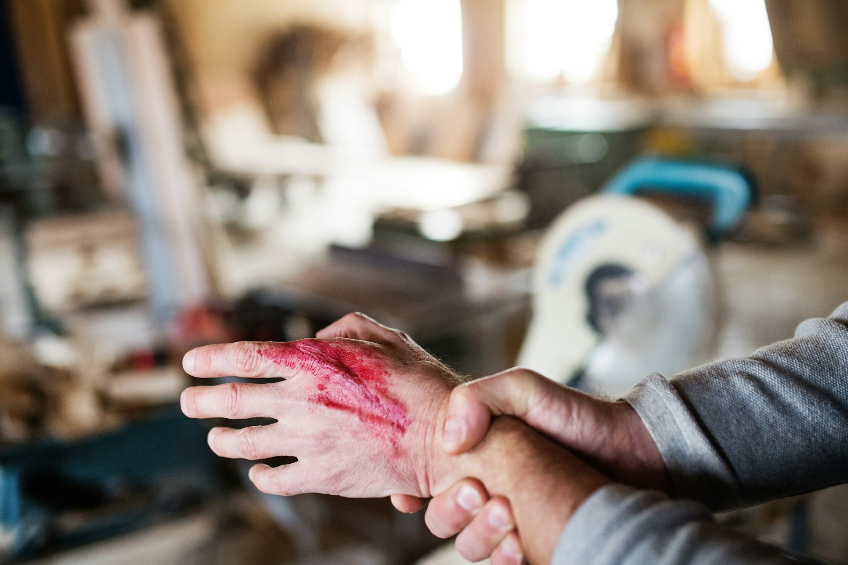
Construction sites often involve welding, electrical work, fuel, chemicals, heavy machinery, temporary wiring, gas lines, and flammable materials. When safety rules are ignored, a fire or explosion can cause devastating injuries within seconds. In New Jersey, these accidents may leave workers with severe burns, lung damage, scarring, nerve injuries, amputations, or permanent disability.
Common Causes of Burns and Explosions
Burn and explosion injuries may happen because of gas leaks, defective electrical systems, unsafe welding, improper storage of flammable materials, equipment failure, chemical exposure, or lack of fire protection. Hot work, such as welding and cutting, can be especially dangerous when sparks or heat reach nearby combustible materials.
OSHA requires fire hazards near welding or cutting work to be moved away when possible. If they cannot be moved, guards must be used to protect those hazards from heat, sparks, and slag. OSHA also states that employers should train workers about workplace fire hazards and what to do in a fire emergency.
Who May Be Responsible?
Responsibility depends on how the accident happened. A general contractor, subcontractor, property owner, equipment manufacturer, utility company, maintenance contractor, or supplier may be involved. For example, a subcontractor may create a fire risk by leaving flammable materials near welding work. A manufacturer may be responsible if defective equipment explodes. A property owner may be involved if unsafe site conditions contributed to the accident.
Many construction sites have several companies working at the same time, which can make liability complicated. A careful investigation may be needed to determine who controlled the work area, who created the hazard, and who had the responsibility to correct it.
Workers’ Compensation and Third-Party Claims
If a construction worker is injured on the job in New Jersey, workers’ compensation may provide medical treatment, wage replacement, and permanent disability benefits for job-related injuries or illnesses. However, workers’ compensation may not cover all losses, such as pain and suffering.
If someone other than the worker’s employer caused or contributed to the accident, the injured worker may also have a third-party personal injury claim. This may apply when a subcontractor, equipment company, property owner, or outside contractor caused the dangerous condition.
Evidence That Can Help
Burn and explosion cases require quick evidence preservation. Important evidence may include incident reports, OSHA reports, fire department records, witness statements, photos of the scene, surveillance video, maintenance records, safety manuals, inspection reports, training records, chemical labels, equipment history, and jobsite communications.
Medical evidence is also critical. Burn injuries often require emergency care, surgery, skin grafting, infection treatment, rehabilitation, and long-term scar management. Records showing the severity of the burns, breathing injuries, pain, disfigurement, and work restrictions can help prove damages.
Final Thoughts
Burns and explosion injuries in New Jersey construction accidents can permanently change a worker’s life. These claims often involve complex safety rules, multiple responsible parties, and evidence that may disappear quickly after cleanup or repairs. Prompt medical care, early investigation, and preservation of jobsite records can make a major difference in proving what went wrong and protecting the value of the claim.