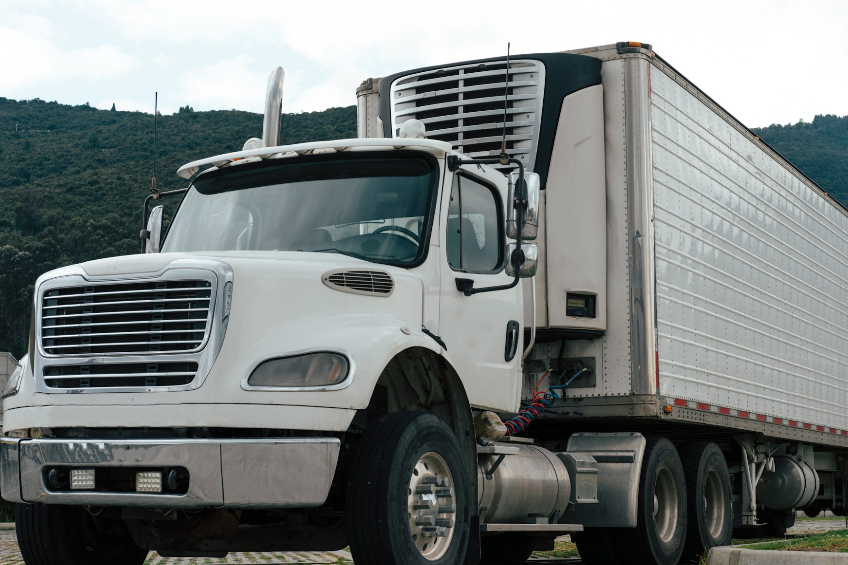
Truck accidents are often more serious than ordinary car crashes because commercial trucks are large, heavy, and harder to stop. When a truck driver is speeding or driving recklessly, the danger increases for everyone on the road. In New Jersey, these cases may involve serious injuries, major property damage, and complex questions about driver and company responsibility.
Why Speeding Is So Dangerous for Trucks
A speeding truck needs more time and distance to stop. If traffic suddenly slows, a passenger vehicle may be able to brake or move away more quickly, but a loaded truck may not. Higher speeds can also make crashes more severe because the force of impact is greater.
Speeding is not limited to driving above the posted speed limit. A truck driver may also be driving too fast for conditions, such as heavy rain, snow, fog, construction zones, traffic congestion, or curved roadways. The Federal Motor Carrier Safety Administration warns commercial drivers to adjust speed for weather, road conditions, visibility, and traffic, and notes that excessive speed is a major cause of fatal crashes.
What Counts as Reckless Driving?
Under New Jersey law, reckless driving involves operating a vehicle heedlessly, in willful or wanton disregard for the rights or safety of others, in a way that endangers or is likely to endanger a person or property.
For truck drivers, reckless behavior may include excessive speeding, tailgating, unsafe lane changes, running red lights, ignoring traffic signals, road rage, distracted driving, or driving too fast in bad weather. A truck driver does not have to intend to cause a crash. The issue is whether the driver acted with serious disregard for safety.
Trucking Company Responsibility
A truck accident claim may involve more than the driver. The trucking company may also be investigated. Important questions may include whether the company hired a qualified driver, checked the driver’s record, trained the driver properly, enforced safety rules, monitored speeding behavior, or pressured the driver to meet unrealistic delivery deadlines.
If a company encourages unsafe schedules or ignores repeated safety violations, that evidence may strengthen the claim. In some cases, truck data systems, GPS records, electronic logging devices, dash cameras, and company safety records can help show how fast the truck was moving and whether the driver was following safety rules.
Evidence That Can Help Prove Speeding or Reckless Driving
Truck accident cases require careful evidence collection. Useful evidence may include the police report, witness statements, traffic camera footage, dashcam video, skid marks, crash scene photos, vehicle damage, black box data, GPS records, driver logs, inspection records, and cell phone records.
Medical records are also important because they connect the crash to the injuries being claimed. Serious truck accidents may cause traumatic brain injuries, spinal injuries, fractures, internal injuries, burns, and long-term pain.
Comparative Negligence in New Jersey
Truck drivers and insurance companies may try to blame the injured person. They may argue that the other driver stopped suddenly, changed lanes improperly, or failed to avoid the crash. New Jersey’s comparative negligence rule may reduce compensation if the injured person shares fault, and recovery may be barred if the injured person is more than 50% responsible.
Final Thoughts
Speeding and reckless driving by truck drivers can turn an avoidable traffic situation into a life-changing crash. In New Jersey, these claims often require detailed investigation into the driver’s conduct, the trucking company’s practices, and the physical evidence from the collision. Preserving evidence quickly can make a major difference in proving fault and protecting the value of the claim.