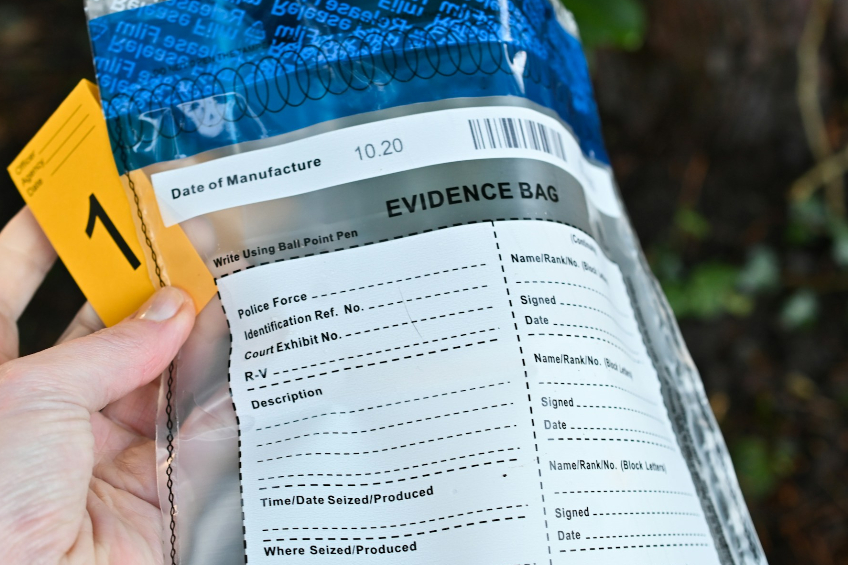
If you are injured because of a dangerous condition on someone else’s property, proving that the accident occurred may not be enough to recover compensation. A successful New Jersey premises liability claim generally requires evidence showing that a property owner or another responsible party failed to maintain reasonably safe conditions.
The evidence should establish the hazardous condition, the defendant’s responsibility, the cause of the accident, and the extent of your damages.
Photos and Videos of the Dangerous Condition
Photographs and video recordings are often among the most important forms of evidence. Hazardous conditions can be repaired, removed, or changed soon after an accident.
Take clear photographs of the exact area where the incident occurred, including:
- Spilled liquids or debris
- Ice or snow accumulation
- Broken stairs or handrails
- Uneven flooring or sidewalks
- Poor lighting
- Missing warning signs
- Defective doors or equipment
Wide-angle images can show the surrounding area, while close-up photographs can document the specific defect. Preserve the original files because their timestamps and metadata may help confirm when they were created.
Surveillance Footage
Stores, apartment buildings, parking lots, offices, and other properties may have surveillance cameras. Video footage may show how the accident happened, how long the dangerous condition existed, and whether employees inspected or ignored the area.
Businesses often retain surveillance recordings for only a limited period. A preservation letter should therefore be sent as quickly as possible, instructing the property owner not to delete or overwrite relevant footage.
Incident Reports and Witness Statements
Report the accident to the property owner, manager, landlord, or employee and request that an incident report be prepared. Make sure your description of what happened is accurate, but avoid guessing about facts you did not observe.
Obtain the names and contact information of witnesses. A witness may confirm the condition of the property, the absence of warnings, or statements made by employees after the accident. Employees may also admit that the problem had existed previously or that similar complaints had been received.
Evidence That the Owner Had Notice
In many New Jersey premises liability cases, the injured person must show that the defendant created the dangerous condition, knew about it, or should have discovered it through reasonable inspection.
Useful evidence may include:
- Earlier complaints from customers or tenants
- Maintenance and inspection records
- Cleaning schedules
- Repair requests and work orders
- Employee emails or internal reports
- Prior accident records
- Weather records in snow and ice cases
Evidence showing that a hazard existed long enough to be discovered can support an argument that the owner had constructive notice, even if no employee admits having actual knowledge.
Medical and Financial Records
Seek medical attention promptly and explain how the accident occurred. Medical records can connect your injuries to the incident and document your diagnosis, treatment, physical restrictions, and prognosis.
Keep copies of medical bills, prescription receipts, rehabilitation records, wage statements, tax documents, and proof of missed work. A daily record describing pain, mobility limitations, and the effect of the injury on ordinary activities may also help demonstrate noneconomic damages.
Special Rules for Public Property
Claims involving government-owned property may be subject to the New Jersey Tort Claims Act. These cases can involve stricter liability standards and short notice requirements. In many situations, a formal notice of claim must be filed within 90 days of the accident.
Missing the notice deadline can place the entire claim at risk, even when the dangerous condition and injuries are well documented.
Speak With a New Jersey Premises Liability Lawyer
Premises liability evidence can disappear quickly. Surveillance footage may be erased, witnesses may become difficult to locate, and the property may be repaired before it is professionally inspected.
A New Jersey premises liability lawyer can preserve evidence, obtain internal records, determine who controlled the property, and evaluate whether the owner had actual or constructive notice of the hazard. Acting promptly can make a substantial difference in the strength of your claim.