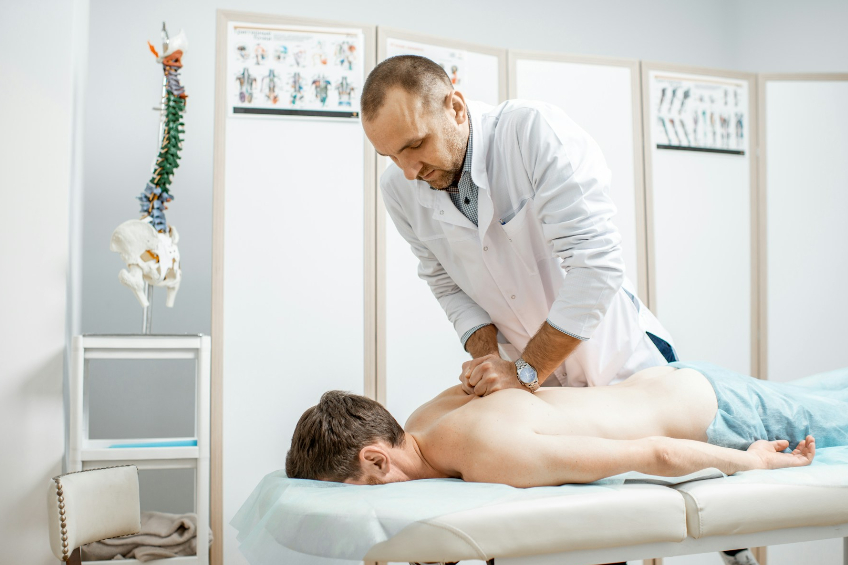
Back and neck injuries are common after construction accidents because construction work often involves heights, heavy equipment, falling objects, lifting, vibration, and sudden impacts. A worker may injure the spine in a fall from a ladder or scaffold, a struck-by accident, a machinery incident, a trench collapse, or a vehicle crash on the jobsite.
These injuries can be painful, long-lasting, and difficult to prove without proper medical documentation.
Common Causes of Back and Neck Injuries
Construction sites contain many hazards that can damage the spine. A worker may hurt their back or neck after falling from an elevated surface, being struck by materials, slipping on debris, lifting heavy supplies, or being caught between equipment and a fixed object. OSHA identifies falls, struck-by accidents, caught-in or caught-between accidents, and electrocution as major construction hazards.
Even a seemingly minor accident can cause serious spinal problems. A worker may feel immediate pain, or symptoms may develop later as swelling and inflammation increase.
Types of Injuries Workers May Suffer
Back and neck injuries may include herniated discs, bulging discs, fractured vertebrae, pinched nerves, muscle strains, ligament injuries, spinal cord trauma, and chronic pain. Some workers may experience numbness, tingling, weakness, shooting pain, or difficulty walking, bending, lifting, or turning the head.
These injuries can affect daily life as well as the ability to return to construction work. A person who performs physical labor may be unable to lift materials, climb ladders, operate machinery, or work safely for long hours after a serious spinal injury.
Workers’ Compensation in New Jersey
If the injury happened while performing job duties, the worker may be entitled to workers’ compensation benefits in New Jersey. The New Jersey Department of Labor explains that workers’ compensation may provide medical treatment, wage replacement, and permanent disability compensation for employees who suffer job-related injuries or illnesses.
This can be important for back and neck injuries because treatment may involve emergency care, diagnostic imaging, pain management, physical therapy, injections, surgery, or long-term restrictions.
Third-Party Claims
Workers’ compensation may cover certain benefits, but it does not usually provide compensation for pain and suffering. If someone other than the employer caused or contributed to the accident, the injured worker may also have a third-party personal injury claim.
For example, a subcontractor may have created an unsafe work area, a property owner may have failed to correct a dangerous condition, or an equipment manufacturer may have supplied a defective product. These claims require a careful investigation into who controlled the worksite, who created the hazard, and who had the responsibility to prevent the accident.
Evidence That Can Help
Important evidence may include accident reports, photos of the scene, witness statements, safety records, inspection reports, OSHA records, equipment maintenance records, jobsite video, medical records, and work restriction notes. Medical evidence is especially important because insurance companies may argue that back or neck pain came from a preexisting condition rather than the construction accident.
Final Thoughts
Back and neck injuries after construction accidents can affect a worker’s health, income, and future ability to work. In New Jersey, these cases may involve workers’ compensation, third-party claims, or both. Prompt medical care, clear reporting, and early evidence preservation can help protect the value of the claim and show how the injury changed the worker’s life.