Truck accident claims are often more complex than regular car accident cases. A crash involving a tractor-trailer, box truck, delivery truck, or commercial vehicle may involve the truck driver, the trucking company, a maintenance provider, a loading company, or another responsible party. Because evidence can disappear quickly, it is important to know what should be preserved after a truck accident in New Jersey.
Police Reports and Crash Scene Evidence
The police report is often one of the first important documents in a truck accident claim. It may include the location of the crash, driver information, insurance details, witness names, traffic violations, weather conditions, and the officer’s initial observations.
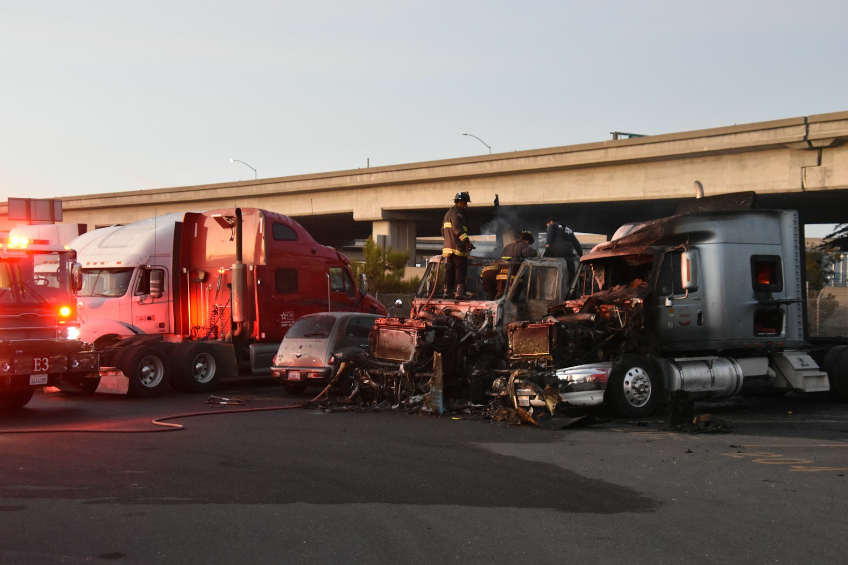
Crash scene evidence can also be very helpful. Photos and videos may show vehicle positions, skid marks, road debris, traffic signs, lane markings, weather conditions, and visible injuries. Damage to the vehicles can help explain the force of impact and how the collision happened.
Truck Data and Electronic Records
Commercial trucks may contain important electronic evidence. This can include GPS data, dashcam footage, speed records, braking data, route history, and electronic logging device records. The Federal Motor Carrier Safety Administration explains that electronic logging devices synchronize with the vehicle engine to automatically record driving time, which can help track hours-of-service compliance.
This information may help show whether the truck driver was speeding, driving too long without proper rest, braking too late, or failing to follow required safety rules.
Driver Logs and Company Records
Truck accident claims often require investigation into the driver and the trucking company. Useful records may include driver qualification files, training records, inspection reports, maintenance logs, repair history, delivery schedules, dispatch communications, and drug or alcohol testing records.
These records may show whether the company hired a qualified driver, maintained the truck properly, ignored safety problems, or pressured the driver to meet an unsafe schedule.
Witness Statements and Video Footage
Witnesses can help explain what happened before the crash. A witness may have seen the truck speeding, drifting between lanes, following too closely, running a red light, or making an unsafe turn. Nearby businesses, traffic cameras, dashcams, or doorbell cameras may also capture important footage.
Video should be requested quickly because it may be deleted or overwritten after a short period.
Medical Records and Proof of Damages
Medical records are necessary to connect the accident to the injuries being claimed. Emergency room records, imaging studies, doctor visits, physical therapy notes, prescriptions, and specialist reports can all help document the seriousness of the injuries.
A truck accident claim may also include lost wages, reduced earning ability, future medical care, pain and suffering, and long-term limitations. Pay records, employment documents, medical bills, and daily symptom notes can help support these damages.
Comparative Negligence in New Jersey
Insurance companies may argue that the injured person was partly responsible for the crash. New Jersey follows a modified comparative negligence rule, meaning recovery may be reduced by the injured person’s percentage of fault, and recovery may be barred if that person’s negligence was greater than the negligence of the other party or parties.
Final Thoughts
Evidence can make a major difference after a truck accident in New Jersey. Police reports, photos, video, witness statements, truck data, driver logs, company records, and medical documentation can all help prove fault and damages. Because trucking evidence may be lost or changed, early investigation is especially important in protecting the value of a claim.