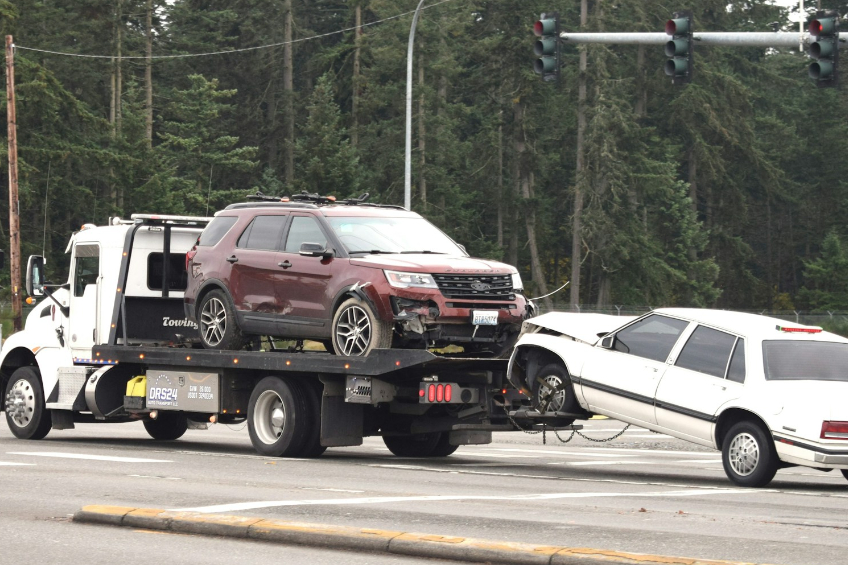
Multi-car accidents—also known as chain-reaction crashes or pileups—are among the most complicated types of motor vehicle cases in New Jersey. With several drivers involved and multiple insurance companies evaluating the same event, determining who is legally responsible can be challenging. However, understanding how liability is assigned is essential if you want to protect your rights and pursue compensation for injuries, lost wages, and property damage.
How Multi-Car Accidents Occur
These accidents often begin with one driver’s mistake, which triggers a series of collisions. Common causes in New Jersey include:
- Rear-end crashes that push vehicles forward
- Distracted driving
- Tailgating in heavy traffic
- Sudden or unsafe stops
- Hazardous road or weather conditions
- Speeding or reckless driving
Because each driver’s reaction contributes to the outcome, assigning fault requires a detailed investigation.
New Jersey’s Comparative Negligence Law
New Jersey uses a modified comparative negligence system, which allows multiple drivers to share responsibility for a crash. Each driver is assigned a percentage of fault. You may recover compensation as long as you are not more than 50% at fault. Your recovery is reduced by your percentage of responsibility.
For example, if you suffer $40,000 in damages but are found 25% at fault, you may recover $30,000. If you are 51% or more at fault, you cannot recover damages from other drivers.
This rule makes accurate fault determination crucial in chain-reaction crashes.
Determining Fault in Rear-End and Chain-Reaction Collisions
In many multi-car accidents, the rear-most driver is often suspected of causing the initial impact. However, New Jersey does not automatically blame one driver. Other drivers may also share responsibility if they:
- Were following too closely
- Failed to maintain a safe speed
- Had malfunctioning brake lights
- Made an abrupt, unnecessary stop
- Were distracted at the time of the crash
Each driver’s actions are evaluated individually, and liability is assigned based on how their behavior contributed to the event.
Weather-Related Multi-Car Accidents
Fog, ice, and snow are common contributors to pileups in New Jersey, especially on highways like the Garden State Parkway and I-80. Poor weather does not remove a driver’s duty to operate safely. Drivers must adjust their speed and distance based on conditions. If a driver was traveling too fast for the weather, they may still be liable even if road conditions played a role.
Evidence Used to Determine Liability
Insurance companies and attorneys rely on multiple forms of evidence to understand how a multi-car accident unfolded, including:
- Police reports
- Photos and videos from the scene
- Traffic or surveillance camera footage
- Eyewitness accounts
- Vehicle damage assessments
- Accident reconstruction experts
Because each driver may offer a different version of events, strong evidence can significantly influence the final outcome.
Insurance Challenges in Multi-Car Crashes
When several drivers are involved, insurance claims can become complicated. New Jersey’s no-fault system means your Personal Injury Protection (PIP) coverage pays your medical bills regardless of fault. However, claims for pain and suffering or vehicle damage depend on proving another driver’s negligence.
Disagreements often arise over:
- Who caused the first impact
- Whether other drivers contributed to the chain reaction
- How fault should be divided among the parties
These disputes can delay settlements and increase the need for legal representation.
What to Do After a Multi-Car Accident
To protect your rights, take these steps:
- Call 911 and get a police report
- Photograph the scene and all vehicles
- Collect contact information from witnesses
- Seek medical care immediately
- Notify your insurance company
- Avoid discussing fault with other drivers
- Consult a New Jersey personal injury attorney early
Final Thoughts
Liability in multi-car accidents is rarely straightforward. New Jersey’s comparative negligence rules, combined with the complexities of chain-reaction collisions, make these cases especially challenging. By gathering strong evidence and working with an experienced attorney, you can better understand your rights and pursue fair compensation for your injuries and losses.