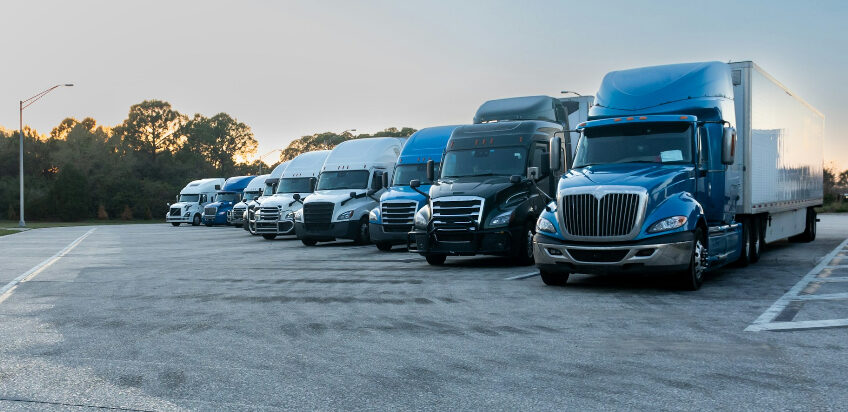
When a truck accident occurs in New Jersey, the driver is not always the only party at fault. Many crashes result from the trucking company’s negligence—whether through unsafe policies, poor maintenance, or improper hiring practices. Because commercial trucks cause severe injuries and large-scale damage, understanding when an employer can be held responsible is essential for anyone pursuing a personal injury claim.
Employer Liability Under New Jersey Law
Trucking companies can be held liable under a legal principle called respondeat superior, which makes employers responsible for the actions of their employees when those actions occur within the scope of employment. If a truck driver causes a crash while performing job duties such as transporting cargo, making deliveries, or traveling between assignments, the company may share responsibility for the resulting injuries.
Negligent Hiring and Training
A trucking company must hire qualified, safe drivers. When an employer fails to properly screen applicants—or hires someone with a history of DUIs, license suspensions, or safety violations—it may be considered negligent. Liability can also arise when:
- Drivers are not adequately trained
- Companies fail to enforce hours-of-service rules
- New drivers are sent out without supervised training
Improper training is a common factor in accidents involving jackknifing, lane departure, or improper braking.
Negligent Supervision and Fatigue Violations
Commercial truck drivers must follow strict federal and state rules governing maximum driving hours and mandatory rest breaks. However, some companies encourage or pressure drivers to exceed these limits to meet deadlines. When employers ignore logbook violations or reward unrealistic schedules, they can be held responsible for fatigue-related crashes.
Failure to Maintain Trucks and Equipment
Trucking companies are legally required to keep their vehicles in safe operating condition. Improper maintenance can cause:
- Brake failure
- Tire blowouts
- Steering issues
- Lighting or signal malfunctions
If an accident occurs due to worn-out parts or ignored repairs, the trucking company may be liable for violating maintenance obligations outlined in the Federal Motor Carrier Safety Regulations (FMCSRs).
Improper Cargo Loading or Securement
Overloaded or improperly secured cargo can shift during transit, causing rollovers, loss of vehicle control, or spilled loads that create roadway hazards. When a company fails to follow cargo securement standards—or assigns untrained workers to load shipments—it may be considered negligent.
When Independent Contractors Are Involved
Some trucking companies attempt to avoid liability by classifying drivers as independent contractors. However, New Jersey courts often look beyond the label. If the company controls the driver’s schedule, assignments, equipment, or work conditions, it may still be held responsible for negligence.
Proving Trucking Company Negligence
Truck accident cases require detailed investigation, including:
- Driver logs and electronic logging device (ELD) data
- Maintenance and inspection records
- Company hiring and safety policies
- Dashcam and surveillance video
- Black box data (ECM/EDR)
Because evidence can be altered or destroyed, it is critical to act quickly and consult an attorney experienced in commercial trucking cases.
Final Thoughts
Trucking companies play a major role in preventing accidents, and when they cut corners, the consequences can be devastating. New Jersey law allows victims to hold both the driver and employer accountable when negligence contributes to a crash. An experienced attorney can help uncover violations, build a strong claim, and pursue the compensation needed after a serious trucking accident.