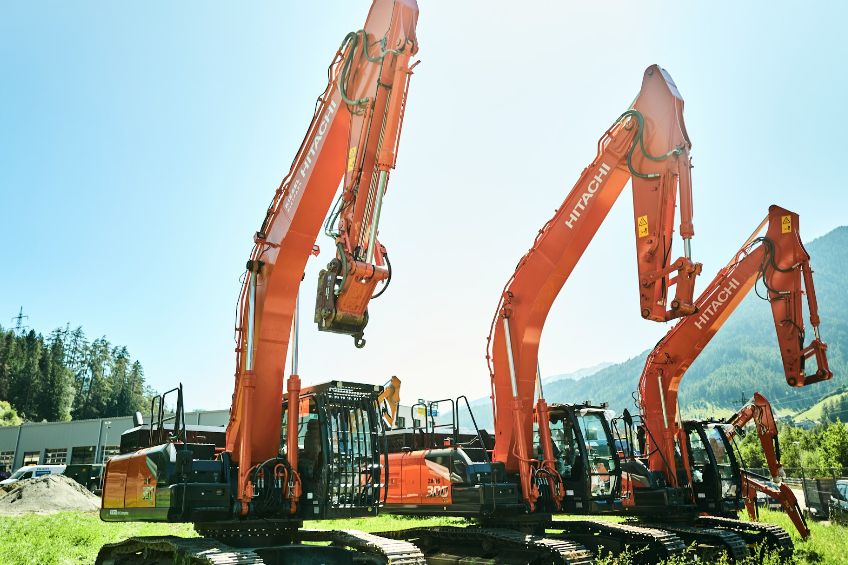
Machinery and equipment accidents can occur on construction sites, in warehouses, factories, or even on commercial properties. These incidents often lead to severe or life-altering injuries because of the power and size of the equipment involved. In New Jersey, determining who is legally responsible is critical to securing compensation for medical bills, lost income, and long-term disability. Understanding how liability works helps injured workers and visitors protect their rights.
Common Causes of Machinery and Equipment Accidents
Heavy equipment accidents typically result from preventable failures. Some of the most frequent causes include:
- Poor maintenance or ignored repairs
- Defective machinery or malfunctioning parts
- Inadequate training or supervision
- Improper lockout/tagout procedures
- Missing safety guards
- Overloading equipment
- Unsafe operation by employees or contractors
Because multiple parties may be involved in operating, maintaining, or manufacturing equipment, liability can quickly become complex.
Potentially Responsible Parties in New Jersey
1. Employers and Contractors
On construction sites and industrial workplaces, general contractors and subcontractors must ensure that machinery is safe and that workers receive proper training. Employers must follow OSHA regulations, conduct inspections, and enforce safety protocols. If they fail to do so, they may be held responsible — though workers’ compensation rules may limit direct lawsuits by employees.
2. Property Owners
If an accident occurs on a commercial or private property due to unsafe conditions — such as poorly maintained equipment, lack of warnings, or failure to secure hazardous areas — property owners may be liable under New Jersey premises liability law. Visitors, delivery workers, and vendors are often protected when machinery is negligently managed on-site.
3. Equipment Manufacturers and Designers
Some machinery accidents occur because of product defects, including design flaws, manufacturing errors, or missing safety features. When a defect directly causes an injury, the manufacturer or distributor may face a product liability claim. These cases often require expert evaluation of engineering and design standards.
4. Maintenance and Repair Companies
If a third-party service company was responsible for inspecting or repairing equipment, and improper work caused or contributed to the accident, that company may share liability. Maintenance records and service contracts often play a key role in these claims.
Workers’ Compensation vs. Third-Party Lawsuits
In New Jersey, injured employees generally cannot sue their employer directly due to workers’ compensation laws. However, they can file claims against negligent third parties, such as:
- Equipment manufacturers
- Subcontractors
- Property owners
- Maintenance providers
This allows injured workers to pursue full compensation beyond medical bills and wage replacement, including pain and suffering, which workers’ compensation does not cover.
Evidence Needed to Prove Liability
Machinery accident cases often involve technical investigations. Useful evidence may include:
- Safety inspection reports
- Maintenance logs
- Surveillance footage
- Employee training records
- Operator manuals
- Expert evaluations
- OSHA citations
Because equipment is often repaired or altered after an accident, it is crucial to preserve evidence as early as possible.
Common Injuries in Machinery and Equipment Accidents
Due to the power of industrial machinery, injuries can be severe, including:
- Crush injuries
- Amputations
- Spinal cord trauma
- Severe lacerations
- Traumatic brain injuries
- Burns
- Broken bones
These injuries often require extensive treatment, making fair compensation essential.
Final Thoughts
Machinery and equipment accidents in New Jersey involve layers of responsibility, from property owners to manufacturers and contractors. A thorough investigation is necessary to determine who failed to follow safety standards and how that failure caused the injury. With the help of an experienced NJ personal injury attorney, victims can pursue the compensation they deserve and hold negligent parties accountable.