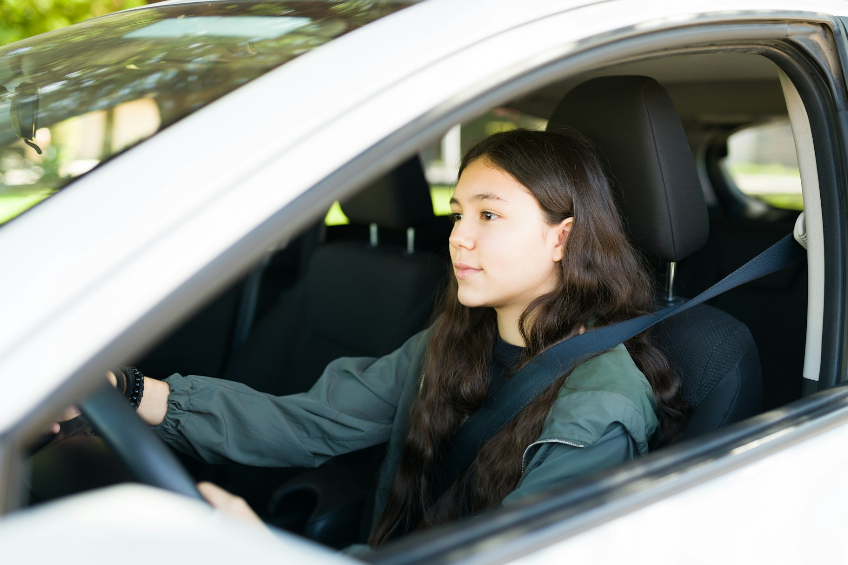
Teaching a teenager to drive is an exciting milestone for any family, but it also comes with significant legal responsibilities. Teen drivers are statistically more likely to be involved in car accidents due to inexperience, distractions, and risk-taking behavior. When a crash occurs, questions often arise about whether parents can be held responsible for their teen’s actions. In New Jersey, the answer depends on several legal principles, including insurance coverage, negligent supervision, and state statutes governing liability.
New Jersey’s Graduated Driver License (GDL) Program
New Jersey has strict rules for new drivers under the Graduated Driver License program. Permit and probationary license holders must follow restrictions on nighttime driving, passenger limits, and cell phone use. If a teen violates these rules and causes an accident, they may face fines, license suspension, and higher insurance premiums. These violations can also be used as evidence of negligence in a personal injury claim.
Parental Liability for Teen Drivers
Parents are not automatically liable for every accident involving their child, but there are key situations where they can be held responsible:
- Owner Liability (Permissive Use Rule) – If a teen is driving a car owned by their parent and has permission to use it, the parent’s auto insurance typically covers damages. The parent can be financially responsible through their policy limits.
- Negligent Entrustment – Parents may be liable if they allow their teen to drive knowing the teen is inexperienced, reckless, or unfit to operate a vehicle safely. For example, lending the car to a teen who has a history of speeding tickets or driving under the influence could create liability for the parent.
- Failure to Supervise – If a parent fails to ensure that a permit holder drives only with a qualified adult, they could face legal consequences if an accident occurs.
Insurance Considerations
When a teen gets their license, parents must add them to the household auto insurance policy. New Jersey law requires all drivers to carry liability coverage, and failure to add a teen driver can result in denied claims and legal complications. Comprehensive coverage that includes Personal Injury Protection (PIP) ensures that medical expenses are paid regardless of fault.
In serious accidents, damages may exceed policy limits, potentially exposing the family to personal financial risk. Parents should review their policies and consider increasing liability limits or purchasing umbrella coverage for additional protection.
Comparative Negligence and Shared Fault
New Jersey follows a modified comparative negligence system, which means liability can be shared among multiple parties. If a teen driver is partly at fault for an accident, their percentage of fault will reduce the amount of compensation they can recover if they were injured. This rule also impacts parental liability, as insurers and courts will apportion damages accordingly.
Preventing Teen Driver Accidents
Parents can reduce the risk of accidents and liability by setting clear rules, supervising practice driving, and modeling safe driving behavior. Limiting nighttime driving, discouraging phone use, and enforcing seat belt rules are simple but effective steps. Many insurance companies also offer discounts for teens who complete defensive driving courses, which can help improve skills and lower premiums.
Conclusion
Teen driver accidents can have serious legal and financial consequences for families. In New Jersey, parents may be held responsible under insurance laws, negligent entrustment claims, or supervision requirements. By understanding these rules and taking proactive steps to promote safe driving, parents can protect both their children and their household from unnecessary risk. If your teen has been involved in an accident, consulting an experienced attorney can help you understand your rights, navigate insurance claims, and minimize potential liability.