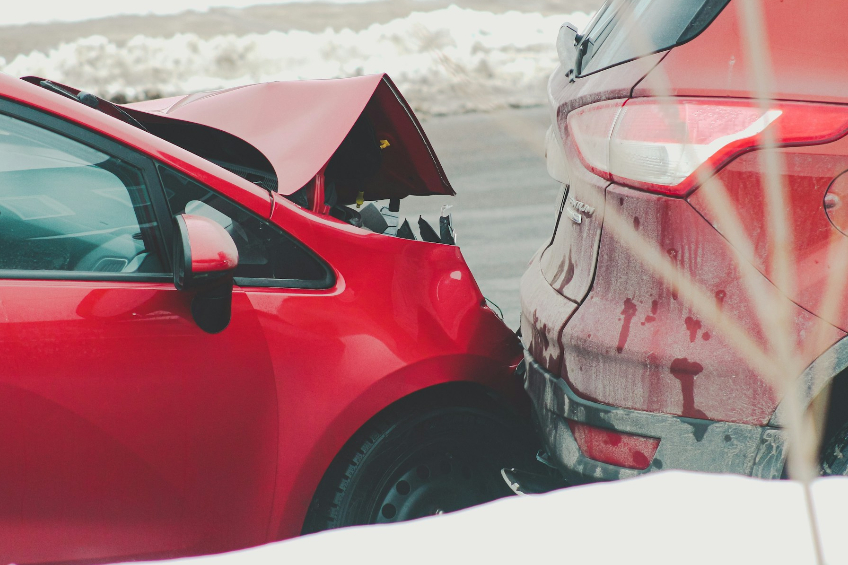
Rear-end collisions are among the most common types of car accidents in New Jersey. They often occur in heavy traffic, at intersections, or during sudden stops. While these accidents may appear straightforward, determining fault is not always as simple as it seems. New Jersey law applies specific principles that guide how liability is assigned and how compensation is calculated.
The General Rule: Following Driver Is Presumed at Fault
In most rear-end collisions, the driver who strikes the vehicle in front is presumed to be at fault. This presumption is based on the legal duty to maintain a safe following distance and remain attentive to traffic conditions. Drivers are expected to anticipate stops and adjust their speed accordingly. Failing to do so is often considered negligence.
For example, if a driver is distracted, speeding, or following too closely and cannot stop in time, that driver will typically bear responsibility for the accident. This aligns with New Jersey traffic laws that require drivers to operate their vehicles with reasonable care under the circumstances.
When the Lead Driver May Share Fault
Although the rear driver is often presumed liable, there are situations where the lead driver may share responsibility. New Jersey follows a modified comparative negligence system, meaning fault can be divided between parties. A driver may recover damages only if their share of fault does not exceed 50%.
The lead driver may be partially at fault if they engaged in negligent behavior, such as:
- Suddenly stopping without a valid reason
- Failing to maintain working brake lights
- Reversing unexpectedly into another vehicle
- Cutting off another driver and braking abruptly
In such cases, liability may be shared, and compensation will be reduced based on each party’s percentage of fault.
Multi-Vehicle Rear-End Accidents
Rear-end collisions involving multiple vehicles—often called chain-reaction accidents—can complicate fault determination. In these scenarios, each driver’s actions are evaluated individually. For instance, if one driver initiates the collision by failing to stop, but another driver was also following too closely, both may be assigned a portion of liability.
Insurance companies and courts will examine factors such as stopping distance, speed, and reaction time to determine how fault should be distributed among the drivers involved.
Evidence Used to Determine Fault
Establishing fault in a rear-end collision relies on the same types of evidence used in other car accident cases. Police reports, photographs of the scene, witness statements, and vehicle damage patterns all play a role. In more complex cases, accident reconstruction experts may be used to analyze how the crash occurred.
Additionally, dashcam footage, traffic cameras, and even cell phone records can provide valuable insight, particularly when distracted driving is suspected.
The Role of Insurance in New Jersey
New Jersey is a no-fault insurance state, which means that drivers typically turn to their own Personal Injury Protection (PIP) coverage for medical expenses regardless of who caused the accident. However, determining fault still matters when pursuing claims for property damage or when injuries meet the threshold for filing a lawsuit against the at-fault driver.
Conclusion
Rear-end collisions in New Jersey are often presumed to be the fault of the trailing driver, but that presumption is not absolute. Each case depends on the specific facts and evidence available. Understanding how fault is determined—and how it affects compensation—is essential for anyone involved in such an accident. A careful evaluation of all contributing factors ensures that liability is assigned fairly under New Jersey law.