






Collection Activity After Bankruptcy Filing
A bankruptcy filing may immediately affect lawsuits, collections, foreclosures and other enforcement activities.

New Jersey Debtor and Creditor Rights Attorneys
ASK Law Firm represents businesses, creditors, judgment holders and other interested parties in matters involving bankruptcy claims, collection rights, secured obligations, fraudulent transfers, automatic-stay issues and contested financial proceedings.
Financial Dispute and Bankruptcy Representation
A bankruptcy filing, unpaid judgment or contested debt can significantly affect a creditor’s ability to collect money, recover collateral or enforce an existing agreement.
Bankruptcy proceedings create a structured process for addressing debts, assets and competing creditor claims. They can also introduce strict procedures, automatic restrictions and filing requirements that may affect otherwise valid collection rights.
ASK Law Firm evaluates the underlying obligation, collateral, judgment history, debtor’s financial conduct and bankruptcy record before recommending a claim, objection, negotiated resolution or contested proceeding.
Understanding the Financial Dispute
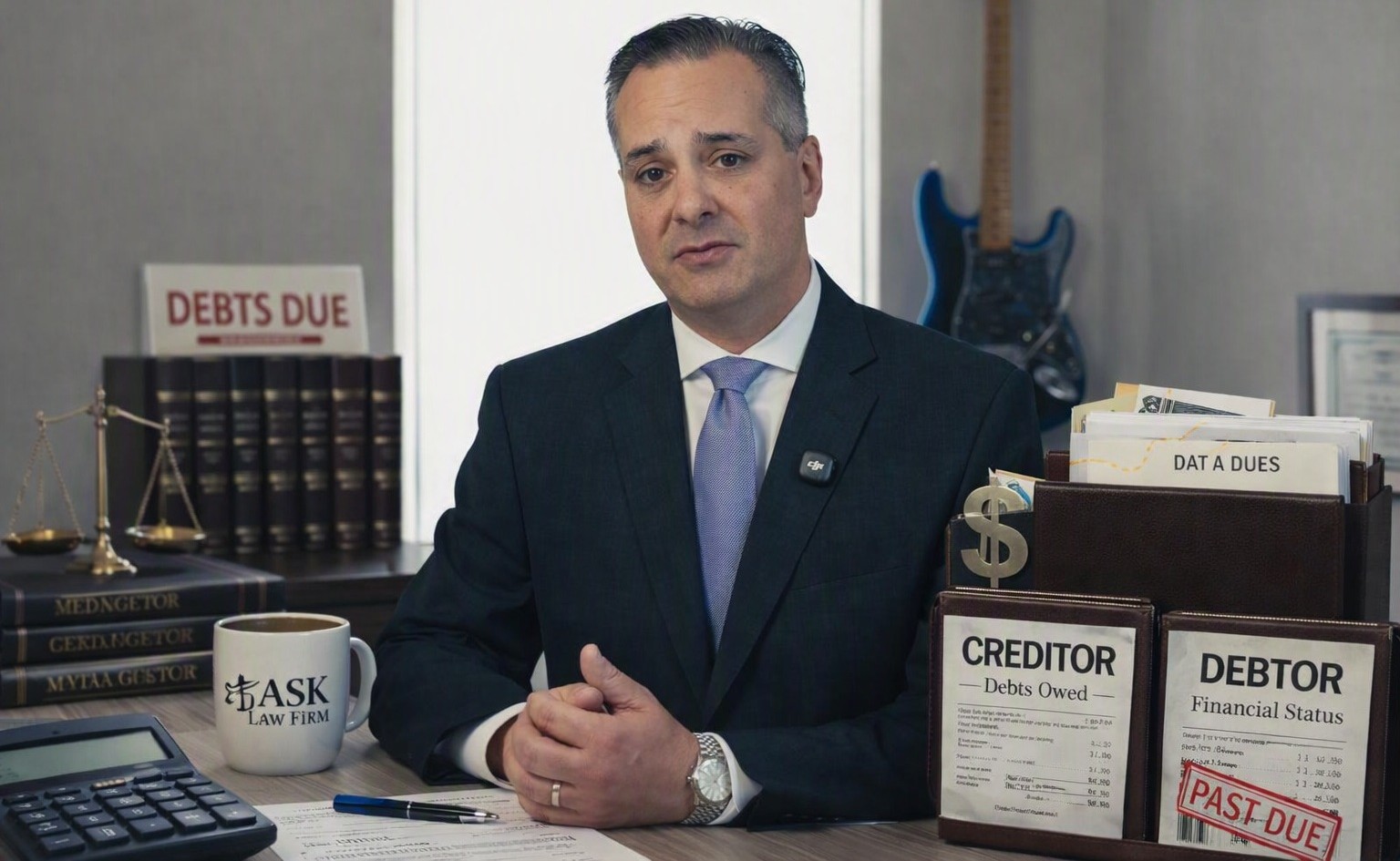
Debtor-creditor matters concern the legal relationship between a person or business that owes an obligation and the party entitled to payment, performance, collateral or enforcement of a judgment.
The analysis begins with the underlying agreement, amount claimed, payment history, security interests, guarantees, judgments, available assets and any defenses raised against enforcement.
If bankruptcy has been filed, the review must also address the bankruptcy chapter, automatic stay, creditor notices, claim status, proposed treatment of the debt and whether contested relief should be pursued.
Creditors should review the bankruptcy notice and obtain legal guidance before continuing a lawsuit, levy, foreclosure, repossession or other collection activity.
Strategic Financial Guidance
Whether representing a secured creditor, unsecured creditor, lender, business owner or judgment holder, the first objective is understanding how the debt was created, what rights secure repayment and what legal procedures currently control enforcement.
ASK Law Firm evaluates contracts, guarantees, collateral, judgments, bankruptcy filings and payment history before developing a strategy designed to protect financial interests while complying with applicable legal requirements.
Depending on the matter, that strategy may involve claim filings, negotiated resolutions, objections, adversary proceedings, fraudulent-transfer actions or other litigation designed to maximize recovery.

Common Debtor and Creditor Matters
Financial litigation may involve bankruptcy proceedings, secured claims, judgments, fraudulent conduct or disputes over collection rights.
A bankruptcy filing may immediately affect lawsuits, collections, foreclosures and other enforcement activities.
Creditors may need to file timely claims supported by appropriate documentation to participate in the bankruptcy process.
The nature, value and perfection of collateral may significantly affect recovery and priority.
Certain transfers may require investigation when assets appear to have been moved to avoid legitimate creditors.
Some financial obligations may require legal review to determine whether they remain enforceable after bankruptcy.
A judgment may require additional proceedings to locate assets, collect payment or address competing claims.
Missed deadlines or improper collection efforts may affect a creditor's ability to recover money or protect secured interests.
Strategic Financial Review
Each matter should be evaluated according to the debt, collateral, bankruptcy status and available legal remedies.
Loan agreements, contracts, guarantees, invoices, leases and judgments may determine the legal rights of the parties.
The filing chapter, schedules, notices and deadlines may immediately affect collection rights.
The existence, value and perfection of collateral may significantly affect priority and recovery.
The appropriate solution may involve negotiation, claim objections, litigation, settlement or other bankruptcy-related proceedings.
How ASK Law Firm Can Help
Our attorneys evaluate financial documents, bankruptcy proceedings, collateral rights and litigation strategy to protect the client's legal and financial interests.
We evaluate agreements, judgments, guarantees and related financial records.
We analyze schedules, claims, priorities, deadlines and available legal options.
Strategic action may improve the ability to recover funds or protect secured interests.
Where appropriate, negotiated resolutions may reduce costs while protecting business objectives.
Some matters require formal litigation within the bankruptcy court.
We assist clients with lawful strategies designed to enforce valid judgments and financial obligations.
Important Debtor and Creditor Rights Information
Financial disputes often involve strict procedural rules, filing deadlines and competing legal rights. Whether the matter involves bankruptcy, judgment enforcement, collateral or collection, early legal evaluation may help protect valuable financial interests before important rights are affected.
The agreement, loan documents, guarantees, judgment, security interests, payment history and communications between the parties frequently determine the available claims, defenses and recovery options.
Some claims may require objections, adversary proceedings, secured-claim analysis or additional legal review before the rights of the parties can be fully determined.
Creditors should determine whether the automatic stay, claim-filing requirements or bankruptcy court procedures affect existing lawsuits, judgments, foreclosures, repossessions or other collection activities.
Depending on the circumstances, resolution may involve negotiated repayment, claim objections, secured-creditor proceedings, litigation, settlement, judgment enforcement or other remedies permitted by applicable law.
A careful legal review allows the financial obligation, bankruptcy issues, collection rights, available remedies and practical recovery strategy to be evaluated before important deadlines expire or enforcement opportunities are lost.
General answers about bankruptcy, creditor claims, automatic stays, judgments, collateral and financial disputes.
Speak with an ASK Law Firm attorney about the debt, bankruptcy filing, collateral, judgment or collection issues affecting your financial interests.
Bring contracts, loan documents, judgments, bankruptcy notices, financial statements and related records so the available legal options can be evaluated.