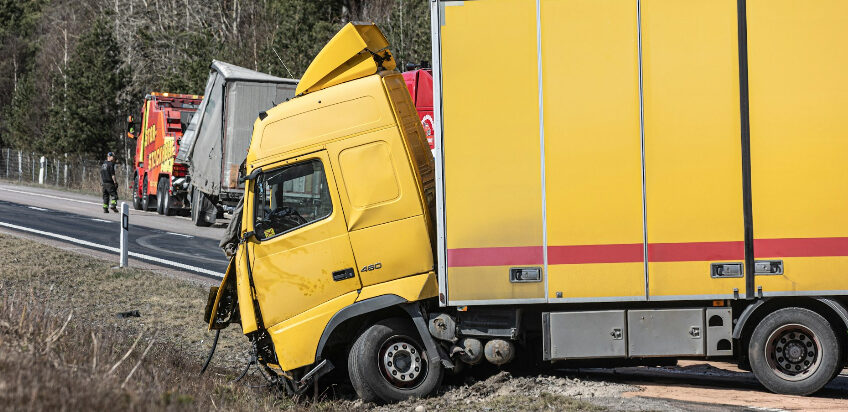
Overloaded trucks and cargo spills pose serious dangers on New Jersey highways. A single improperly secured or overweight load can lead to rollovers, jackknifes, roadway obstructions, and multi-vehicle crashes. When these accidents happen, determining who is legally responsible becomes a key part of pursuing compensation. New Jersey law allows multiple parties to be held liable depending on how the accident occurred and who contributed to the dangerous condition.
Why Overloaded and Improperly Secured Cargo Is So Dangerous
Commercial trucks are designed to carry heavy loads, but exceeding legal weight limits or failing to secure cargo properly disrupts stability and braking performance. Overloading can cause tire blowouts, brake failure, steering problems, and increased stopping distances. Loose or shifting cargo can spill onto the roadway, creating hazards for unsuspecting drivers. These risks make cargo-related accidents especially severe and often preventable.
Potentially Liable Parties in New Jersey
1. The Truck Driver
Truck drivers must inspect their cargo before beginning a trip and during transport. If the driver ignored obvious issues—such as bulging trailer walls, unbalanced loads, or broken tie-downs—they may share responsibility for the accident. Drivers are also required to refuse unsafe loads, even when pressured by employers or shippers.
2. Trucking Companies
Employers are often liable for overloaded trucks because they control scheduling, cargo instructions, and the maintenance of the fleet. New Jersey courts may hold the company responsible for:
- Encouraging overweight loads
- Failing to enforce safety inspections
- Ignoring federal cargo securement rules
- Pressuring drivers to skip weigh stations
Under respondeat superior, a trucking company is also responsible for a driver’s negligence committed while performing job duties.
3. Cargo Loaders or Third-Party Contractors
In many trucking operations, cargo is loaded by warehouse staff or third-party logistics companies. If these workers load the truck unevenly, fail to secure items, or exceed weight limits, they may be held accountable. Claims often arise when the driver had no realistic way to detect improper loading from the outside of the trailer.
4. Manufacturers of Cargo Securement Equipment
If the accident resulted from defective straps, anchor points, or loading equipment, a product liability claim may be possible. While less common, these cases can arise when securement devices fail despite proper use.
How Fault Is Determined in NJ Cargo Spill Accidents
New Jersey follows a comparative negligence system, meaning multiple parties can share fault. Investigators review:
- Black box (EDR/ECM) data
- Weigh station and scale records
- Maintenance logs
- Loading documents
- Driver inspection reports
- Surveillance or dashcam footage
Because evidence can be lost or altered quickly, early investigation is critical.
Common Injuries in Overload and Cargo Spill Crashes
These incidents often cause severe injuries due to the size and force of the vehicles involved, including:
- Traumatic brain injuries
- Spinal cord damage
- Broken bones
- Lacerations and crush injuries
- Multi-car pile-up injuries
Victims may be entitled to compensation for medical bills, lost wages, vehicle damage, and pain and suffering.
Final Thoughts
When overloaded trucks or cargo spills cause accidents in New Jersey, the responsible party may be the driver, the employer, the cargo loader, or several entities at once. Because these cases involve complex regulations and multiple layers of liability, working with an experienced NJ truck accident attorney is essential. A thorough investigation can uncover who is truly at fault and help victims secure the compensation they deserve.