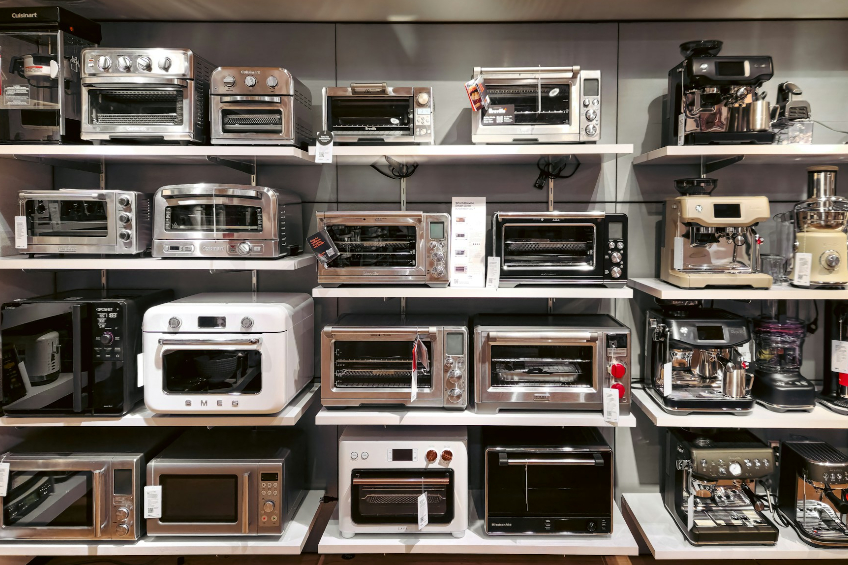
Household appliances are designed to make everyday life safer and more convenient. But when a refrigerator, oven, dryer, or other home device malfunctions due to a defect, the consequences can be dangerous. Fires, electrical shocks, flooding, and severe injuries are common results of faulty appliances. In New Jersey, consumers have strong legal rights under the Product Liability Act, which allows them to hold manufacturers accountable when a defect causes harm. Understanding when a manufacturer is responsible can help victims pursue the compensation they deserve.
How Household Appliances Become Defective
Appliances can fail for many reasons, but legally actionable defects typically fall into three categories:
1. Design Defects
A design defect exists when the product is unsafe from the start. Even if properly assembled, the appliance may have:
- Poor electrical insulation
- Unstable or top-heavy design
- Inadequate fire prevention features
- Mechanical components prone to overheating
If a safer, feasible alternative design existed, New Jersey law may hold the manufacturer liable.
2. Manufacturing Defects
Manufacturing defects occur when something goes wrong during the production process. These defects often involve:
- Faulty wiring
- Cracked heating elements
- Missing screws or safety components
- Contaminated or substandard materials
Unlike design defects, a manufacturing defect affects specific units rather than the entire product line.
3. Failure to Warn or Inadequate Instructions
Manufacturers must warn consumers about non-obvious risks and provide clear usage instructions. Examples include:
- Missing warning labels about fire hazards
- Lack of instructions for proper installation
- Failure to caution against misuse that could cause injuries
If consumers are not given accurate information, even a well-designed product can become dangerous.
When the Manufacturer Is Legally Responsible
Under the New Jersey Product Liability Act (NJPLA), a manufacturer is responsible if:
- The appliance had a design, manufacturing, or warning defect.
- The defect existed when it left the manufacturer’s control.
- The defect directly caused the injury or property damage.
- The consumer was using the appliance as intended or in a reasonably foreseeable way.
Importantly, victims do not need to prove negligence. The defect itself may be enough to establish liability.
Common Injuries Caused by Defective Appliances
Defective household appliances can cause serious harm, including:
- Burns from overheating devices
- Smoke inhalation from fires
- Electrical shocks
- Water damage from leaking appliances
- Carbon monoxide poisoning
- Cuts or crush injuries from mechanical failures
These injuries often require costly medical care and can disrupt a family’s life.
The Role of Recalls and Consumer Complaints
If an appliance model has been recalled, that information can support a product liability claim. However, a recall is not required to prove the manufacturer’s responsibility. Consumer complaints, warranty claims, and repair histories may also reveal patterns that strengthen a case.
Essential Evidence for a Product Liability Claim
Because the appliance itself is crucial evidence, victims should never discard or repair it after an accident. Other important documentation includes:
- Photos and videos of the damage
- Purchase receipts or warranty paperwork
- Fire department or repair technician reports
- Medical records
- Expert evaluations of the defect
Early preservation of the device allows engineers and experts to analyze what went wrong.
Final Thoughts
Defective household appliances can turn ordinary tasks into life-threatening emergencies. When a defect causes injury or property damage, New Jersey law allows consumers to hold manufacturers responsible. With the help of an experienced product liability attorney, victims can investigate the defect, identify responsible parties, and pursue compensation for medical bills, repairs, and long-term losses.