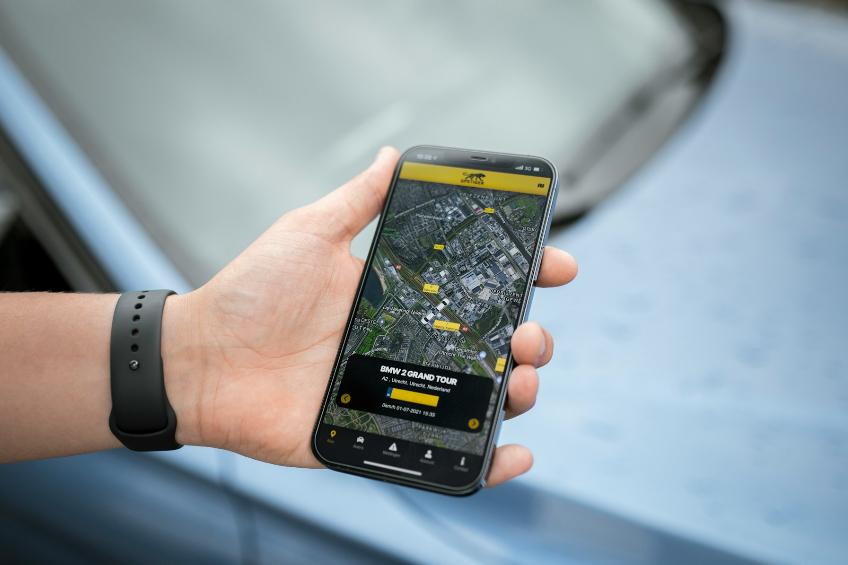
GPS tracking technology is now widely used in personal, commercial, and law enforcement settings. From tracking company vehicles to monitoring a teen’s driving habits, GPS devices offer convenience and oversight. However, in New Jersey, the use of GPS tracking is governed by several legal boundaries that protect individuals’ rights to privacy and consent. Misusing this technology can lead to criminal charges, civil liability, or evidence being thrown out in court.
This article explores the legal implications of GPS tracking in New Jersey, including when it’s legal, when it’s not, and what penalties may apply.
Is GPS Tracking Legal in New Jersey?
In general, GPS tracking can be legal, but it depends on who is being tracked, who owns the vehicle or device, and whether consent has been given. The most important legal concept at play is the expectation of privacy.
Here are some common scenarios:
Legal Uses of GPS Tracking:
- Tracking your own vehicle: If you own a car, you may install a GPS tracker and monitor its location.
- Parental tracking of minor children: Parents or guardians can usually track their children’s location, especially if the device is installed on property owned by the parent.
- Employers tracking company-owned vehicles: Employers may legally monitor vehicles used for work purposes, but they must notify employees.
Illegal or Risky Uses:
- Tracking someone without their knowledge on a personal vehicle: Installing a GPS device on another person’s car without their consent may be considered stalking or harassment under NJ law.
- Using GPS to monitor a spouse during a divorce: Without consent or court approval, secretly tracking a spouse can lead to civil lawsuits or criminal charges.
- Placing a GPS on a vehicle you do not own or have no legal interest in: This is typically illegal, especially if intended to follow or intimidate someone.
Applicable Laws in NJ
Several New Jersey statutes and legal precedents address the use of GPS tracking devices.
Invasion of Privacy (N.J.S.A. 2C:14-9)
This statute prohibits any knowing intrusion into someone’s privacy in a way that would offend a reasonable person. Secret GPS tracking may fall under this statute, especially when placed without the owner’s knowledge.
Harassment and Stalking (N.J.S.A. 2C:33-4 & 2C:12-10)
Using a GPS device to monitor someone repeatedly or obsessively can lead to stalking charges. Courts often view persistent tracking without consent as a form of intimidation or control.
New Jersey Wiretapping and Electronic Surveillance Control Act
While this law mainly deals with electronic communication, it reinforces the broader principle that surveillance, including location tracking, requires consent or court authorization.
Criminal Trespass
Placing a GPS tracker on a car parked on private property or tampering with another’s vehicle can also lead to trespassing or criminal mischief charges.
Law Enforcement and GPS
In State v. Earls (2013), the New Jersey Supreme Court ruled that law enforcement must obtain a warrant before using cell phone location data or GPS tracking to monitor a suspect’s movements. This ruling enforces the constitutional right to privacy and restricts the state from conducting warrantless GPS surveillance, except in certain emergency situations.
Civil Liability and Divorce Cases
In family law, GPS tracking has become increasingly common during divorce or custody disputes. However, courts typically frown upon secretly tracking a spouse. If the court finds that GPS data was obtained unlawfully, it may:
- Exclude the data from evidence
- Penalize the party who installed the device
- Use the act of unauthorized tracking against that person in custody or property decisions
Key Takeaways
- Consent is critical when using GPS tracking in New Jersey.
- Placing a tracker on someone else’s vehicle without permission can lead to criminal charges or lawsuits.
- Employers must disclose tracking to employees when monitoring vehicles.
- Police need a warrant to use GPS tracking on suspects.
- Parents may legally monitor their minor children, but this right does not extend to tracking other adults.
Final Thoughts
GPS tracking is a powerful tool, but in New Jersey, it comes with serious legal responsibilities. Whether you’re a concerned parent, a business owner, or someone going through a divorce, you must understand the legal limits of location tracking. If you’re unsure whether your GPS use is legal, it’s always best to consult a qualified attorney to avoid violating someone’s privacy rights—or facing legal consequences yourself.