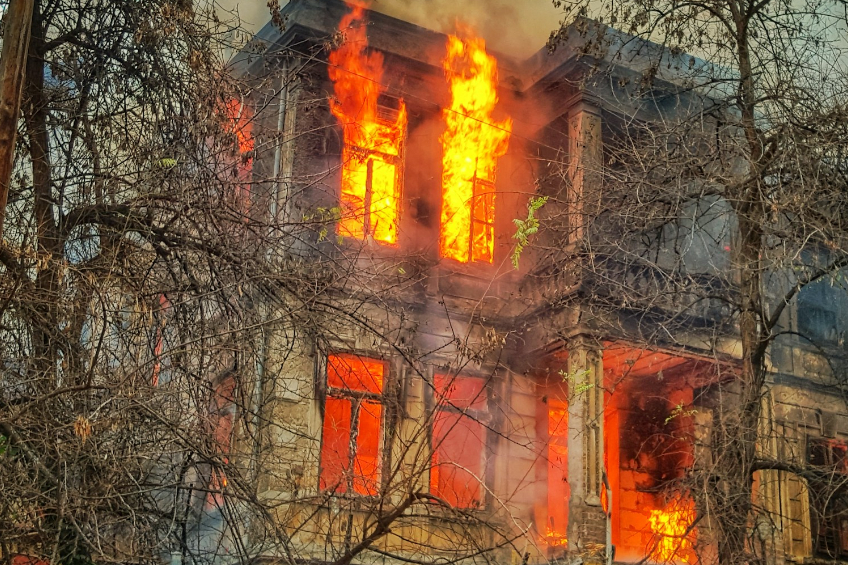
Household appliances are part of everyday life, but when they are defective, the results can be catastrophic. A malfunctioning stove, dryer, dishwasher, refrigerator, space heater, pressure cooker, toaster, microwave, or electrical appliance can cause a fire, explosion, burn injury, smoke inhalation, or death. In New Jersey, people injured by defective appliances may have the right to bring a product liability claim, premises liability claim, or other personal injury action depending on how the fire happened.
How Defective Appliances Cause Fires
Appliance-related fires may be caused by faulty wiring, overheating components, defective switches, poor insulation, bad heating elements, gas leaks, failed safety shutoff systems, battery failures, or inadequate warnings. Some appliances are dangerous because of a design problem affecting the entire product line. Others become dangerous because something went wrong during manufacturing, assembly, installation, or repair.
For example, a dryer may overheat because of an electrical defect, a dishwasher may catch fire because of a faulty control panel, or a small kitchen appliance may fail to shut off properly. In other cases, an appliance may have been recalled before the fire, but the owner or tenant never received notice.
Product Liability in New Jersey
New Jersey product liability law may apply when an appliance was not reasonably fit, suitable, or safe for its intended purpose. A claim may involve a manufacturing defect, defective design, or failure to provide adequate warnings or instructions.
The injured person does not simply need to show that a fire happened. The claim must connect the appliance defect to the fire and the resulting injuries. This often requires investigation by fire experts, engineers, product safety experts, or electrical specialists.
Who May Be Responsible?
Several parties may be involved in a defective appliance fire claim. Potential defendants may include the manufacturer, distributor, retailer, installer, repair company, property owner, landlord, maintenance contractor, or another party responsible for the appliance.
If the fire happened in a rental property, the landlord’s role may need to be reviewed. Did the landlord provide the appliance? Were there prior complaints? Was the appliance repaired properly? Were smoke detectors working? Were electrical problems ignored?
If the appliance was recently repaired or installed, the repair company or installer may also be responsible if negligent work contributed to the fire.
Evidence Must Be Preserved
Preserving evidence is critical after an appliance fire. The appliance should not be thrown away, repaired, cleaned, or returned to the manufacturer before it can be inspected. Fire debris, wiring, plugs, manuals, receipts, repair records, recall notices, photographs, and insurance reports may all be important.
Victims should also keep medical records, burn treatment records, hospital bills, photographs of injuries, lost wage records, and documentation of property damage.
Compensation for Fire Injuries
Fire injuries can be physically and emotionally devastating. Compensation may include emergency medical care, hospitalization, burn treatment, skin grafts, surgery, scar revision, future medical care, lost wages, reduced earning capacity, pain and suffering, emotional distress, disfigurement, and loss of enjoyment of life.
Smoke inhalation, respiratory injuries, permanent scarring, and psychological trauma may also significantly affect the value of a claim.
Speak With a New Jersey Fire Injury Attorney
Defective appliance fire cases require fast investigation and expert review. A New Jersey attorney can preserve the appliance, identify responsible parties, review recall history, work with fire investigators, and pursue compensation for medical bills, lost income, pain, scarring, and long-term harm.
If you were injured in a fire involving a defective appliance in New Jersey, do not wait to protect your rights and the evidence needed to prove your claim.