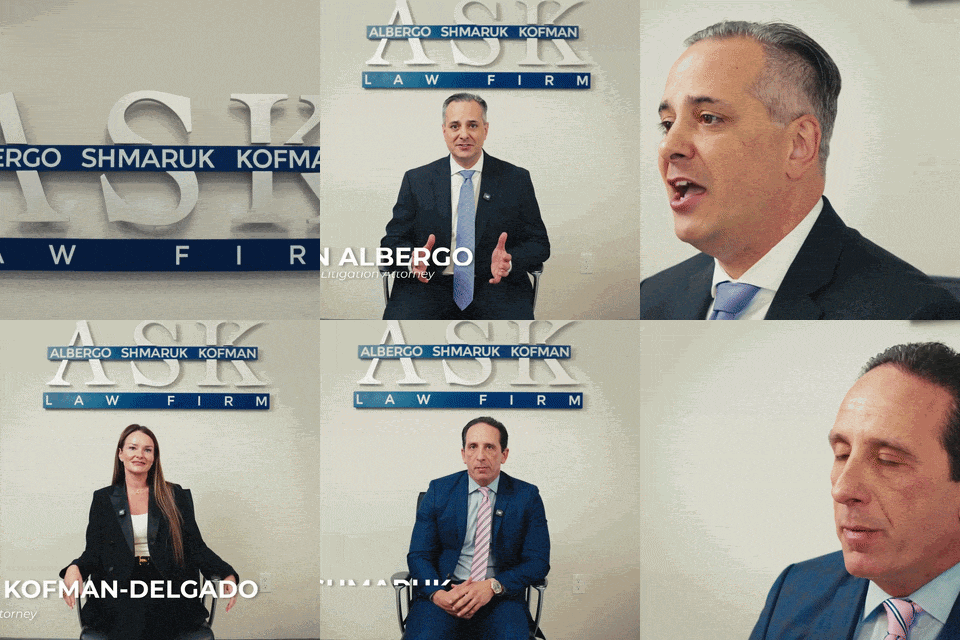







When an executor dispute begins, families often face more than a legal disagreement—they face delayed inheritances, strained relationships, unanswered questions, and concerns that someone in control of an estate is not acting properly. If you live in or near Allentown, NJ and believe an executor has mishandled an estate, ignored beneficiaries, failed to communicate, or breached their duties, ASK Law Firm LLC can help you evaluate your options and take strategic action.
An executor has a legal responsibility to administer an estate honestly, carefully, and in the best interests of the beneficiaries. When that does not happen, beneficiaries, heirs, and interested parties may have the right to challenge the executor’s conduct, seek court intervention, or request removal of the executor.
ASK Law Firm LLC handles contested wills, probate disputes, chancery litigation, civil litigation, and related estate conflicts. Our firm approaches these matters with a strategic mindset, anticipating the next move and preparing each case with care.
Executor disputes can arise for many reasons. Some involve honest mistakes. Others involve serious misconduct. Common concerns include:
If you are being kept in the dark, pressured to accept vague explanations, or concerned that estate assets are being wasted, it may be time to speak with a probate litigation attorney.
An executor is responsible for managing the estate from probate through final distribution. This may include identifying assets, securing property, notifying beneficiaries, paying lawful debts, handling tax issues, maintaining records, and distributing assets according to the will.
The executor does not own the estate. The executor is a fiduciary, which means they must act with loyalty, honesty, and reasonable care. When an executor violates those duties, beneficiaries may have legal remedies.
Start by gathering documents. Keep copies of the will, probate filings, letters from the executor, bank or property information, emails, texts, and any records showing delays, missing assets, or inconsistent explanations.
Avoid signing releases or settlement documents without legal review. Executors may ask beneficiaries to approve an accounting or release claims before all information is available. Once signed, those documents can limit your ability to challenge the executor later.
Request information in writing. Clear written requests can help establish what was asked, when it was asked, and whether the executor failed to respond.
Speak with a lawyer before the situation worsens. Probate disputes can become more difficult when assets are sold, accounts are depleted, or deadlines pass. A lawyer can help determine whether the concern is a delay, a recordkeeping issue, or a serious breach of fiduciary duty.
Depending on the facts, legal action may include:
The right approach depends on the estate documents, the executor’s conduct, the value of the assets, and the harm caused.
Allentown, NJ residents may face executor disputes involving family homes, bank accounts, business interests, personal property, blended family issues, or disagreements among siblings and beneficiaries. These cases often require both legal judgment and practical strategy.
ASK Law Firm LLC assists clients with contested probate and civil litigation matters. We understand that estate disputes are personal, but they also require precise legal action. Our goal is to protect your rights, preserve estate assets, and help move the matter toward resolution.
ASK Law Firm LLC can review the will, probate filings, estate communications, financial records, and any concerns you have about the executor’s conduct. We can help determine whether the executor has breached their duties and what steps may be available.
Our services may include:
Our firm’s broader litigation experience allows us to approach executor disputes with the strategy, preparation, and attention these matters require.
ASK Law Firm LLC is a multifaceted litigation firm serving clients in New Jersey, New York, and Pennsylvania. The firm handles personal injury, business litigation, civil litigation, contested probate and wills, real estate litigation, contract disputes, and related matters.
Our approach is strategic. Like a chess match, litigation requires planning several moves ahead. We work to identify risks early, position our clients effectively, and pursue solutions that protect their interests inside and outside the courtroom.
ASK Law Firm LLC offers free consultations. We do not charge unless you win.
Middlesex County Office
Aspen Corporate Park II
1460 U.S. Highway 9 North, Suite 301
Woodbridge, NJ 07095
Telephone: (862) ASK-FIRM
Telephone: (732) 494-3600
Email: info@asklawfirm.com
Bergen County Office
15 Warren St, Suite 20
Hackensack, NJ 07601
Telephone: (201) 354-4999
Email: info@asklawfirm.com
New York Office
11 Broadway, Suite 615
New York, NY 10004
Telephone: (212) 202-6130
Email: info@asklawfirm.com
Pennsylvania Office
4050 Skyron Drive, Suite A14
Doylestown, PA 18902
Contesting an executor means challenging the executor’s conduct, authority, or handling of the estate. This may involve asking the court to require an accounting, stop improper actions, remove the executor, appoint someone else, or hold the executor financially responsible for harm caused to the estate.
Yes. An executor may be removed if they breach fiduciary duties, mishandle estate assets, refuse to communicate, engage in self-dealing, fail to follow court requirements, or otherwise act against the interests of the estate or beneficiaries. Removal is a serious remedy, so evidence matters.
Warning signs include long delays, missing information, unexplained withdrawals, refusal to provide documents, sale of property without transparency, favoritism, unpaid bills, failure to distribute assets, or pressure to sign releases without a full accounting.
Beneficiaries generally have a right to understand how the estate is being administered. If an executor refuses to provide basic information, financial records, or an accounting, a lawyer may be able to help compel disclosure.
An estate accounting shows what came into the estate, what went out, what expenses were paid, what assets remain, and how distributions are being handled. If the accounting is incomplete, inaccurate, or suspicious, beneficiaries may be able to object.
In some cases, yes. If an executor’s misconduct causes financial harm to the estate, the court may surcharge the executor. A surcharge can require the executor to repay losses caused by breach of fiduciary duty, mismanagement, or improper use of estate property.
An executor can also be a beneficiary, but they must still act fairly and follow their fiduciary duties. They cannot use their position to benefit themselves at the expense of other beneficiaries or the estate.
Family relationships do not excuse an executor’s legal obligations. If a sibling executor is ignoring requests, delaying the estate, or withholding information, you may have options to demand records, seek an accounting, or ask the court to intervene.
The timeline depends on the estate’s size, debts, taxes, assets, disputes, and court requirements. Some delays are normal. However, unexplained delays, lack of communication, or inactivity may justify legal review.
Do not sign a release unless you understand what rights you may be giving up. A release may prevent you from later challenging the executor’s actions. Have a lawyer review the document before signing.
Yes. Some disputes can be resolved through negotiation, document exchange, mediation, or settlement. However, if the executor refuses to cooperate or estate assets are at risk, court action may be necessary.
Look for a law firm with experience in contested probate, civil litigation, fiduciary disputes, and court strategy. Executor contests are not just paperwork issues. They may require investigation, negotiation, motion practice, and litigation judgment.
Bring the will, death certificate if available, probate documents, letters from the executor, emails, texts, financial records, property information, prior accountings, and a timeline of what happened. Even if you do not have everything, a lawyer can help identify what needs to be obtained.
Yes. ASK Law Firm LLC serves clients throughout New Jersey, including individuals and families in or near Allentown, NJ who need help with executor contests, contested wills, probate disputes, and related litigation.
Consultations are free. ASK Law Firm LLC does not charge unless you win.