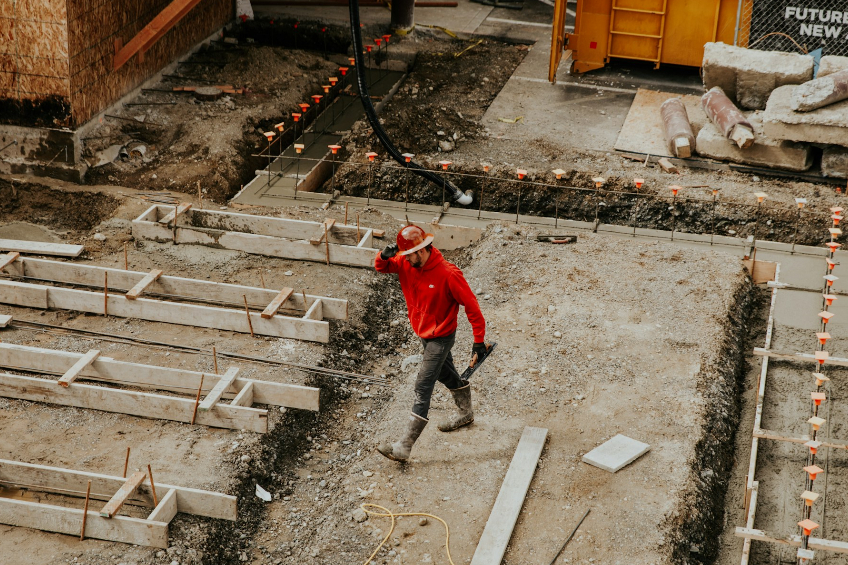
Construction work is dangerous, and serious injuries can happen even when workers are experienced and careful. Falls from ladders or scaffolds, crane accidents, falling objects, electrocution, trench collapses, defective equipment, and unsafe jobsite conditions can lead to broken bones, back injuries, head trauma, burns, amputations, or permanent disability.
After a construction accident in New Jersey, an injured worker may hear about two different types of claims: workers’ compensation and a personal injury lawsuit. These claims are not the same, and understanding the difference can affect the amount of compensation available.
What Is Workers’ Compensation?
Workers’ compensation is a no-fault system. This means an injured employee generally does not need to prove that the employer was negligent. If the injury happened during the course of employment, workers’ compensation may provide benefits even if the accident was partly the worker’s fault.
In New Jersey, workers’ compensation may cover medical treatment, wage replacement, permanent disability benefits, and death benefits for dependents. These benefits can be extremely important after a construction accident because they help pay for immediate medical care and lost income during recovery.
However, workers’ compensation does not usually provide compensation for pain and suffering. It also generally prevents an injured employee from suing the employer for ordinary negligence.
What Is a Personal Injury Claim?
A personal injury claim is different. It is usually based on negligence and is filed against a third party, not the injured worker’s employer. In a construction accident, potential third parties may include property owners, general contractors, subcontractors, equipment manufacturers, delivery companies, architects, engineers, or maintenance contractors.
For example, if a defective lift caused the accident, the manufacturer or maintenance company may be responsible. If another subcontractor created a dangerous condition on the jobsite, that subcontractor may be liable. If a driver struck a worker near the work zone, the driver may be a third-party defendant.
Why a Third-Party Claim Matters
A third-party personal injury claim may allow recovery for damages that workers’ compensation does not fully cover. This may include pain and suffering, emotional distress, loss of enjoyment of life, full lost earning capacity, and future damages.
This can be especially important in serious construction accident cases involving surgery, permanent restrictions, disability, scarring, or long-term pain.
Can You Have Both Claims?
In some New Jersey construction accident cases, an injured worker may have both a workers’ compensation claim and a third-party personal injury claim. The workers’ compensation claim can provide benefits regardless of fault, while the third-party claim can seek additional damages from someone outside the employer-employee relationship.
These claims must be coordinated carefully. There may be reimbursement or lien issues if workers’ compensation paid benefits and a third-party settlement is later reached.
Evidence Should Be Preserved Quickly
Construction sites change fast. Equipment may be moved, hazards may be repaired, debris may be cleared, and witnesses may leave the project. Important evidence may include incident reports, photographs, OSHA records, contracts, safety policies, training records, inspection records, equipment manuals, surveillance video, and witness statements.
Speak With a New Jersey Construction Accident Attorney
After a construction accident, do not assume workers’ compensation is your only option. A New Jersey construction accident attorney can review how the accident happened, identify all responsible parties, protect workers’ compensation rights, investigate third-party liability, and pursue the full compensation available under the law.
Acting early can make a major difference in preserving evidence and protecting your claim.