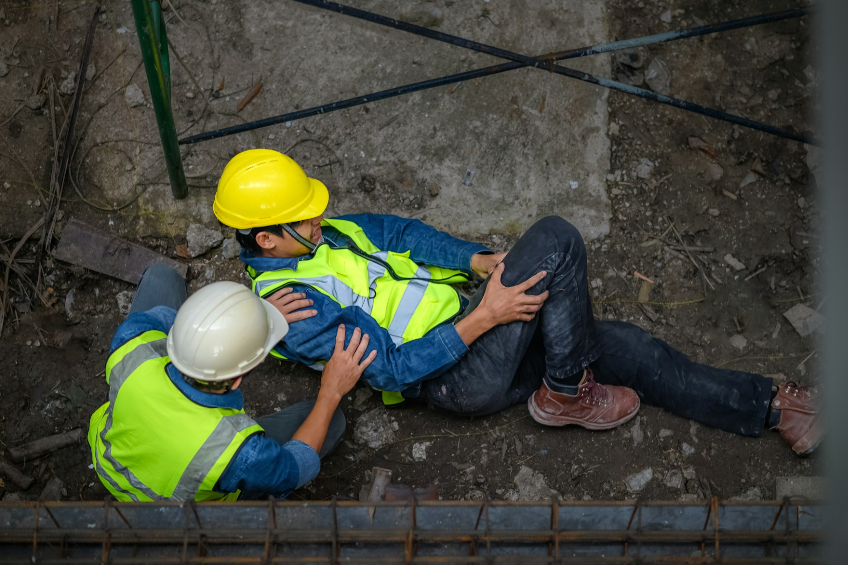
Construction sites are some of the most dangerous workplaces in New Jersey. Falls, machinery malfunctions, electrical hazards, and falling objects frequently lead to serious injuries. After an accident, many workers wonder whether they can sue their employer. The answer depends on how the injury occurred and who was responsible. New Jersey law provides several avenues for compensation, but there are also important limitations workers should understand.
Workers’ Compensation: The Default System
In New Jersey, most employees injured on a construction site are covered by workers’ compensation. This system provides:
- Medical treatment
- Temporary disability benefits
- Permanent disability payments
Workers’ compensation is considered a no-fault system, meaning you do not need to prove your employer did anything wrong. However, this system also comes with a major limitation: employees generally cannot sue their employer directly, even when the employer’s negligence caused the accident.
When You Can Sue an Employer
Although workers’ compensation usually bars lawsuits against employers, there is one narrow exception: intentional wrongdoing.
To sue your employer directly, you must show they committed an intentional wrong — meaning they knew a condition was highly dangerous and still required you to work in it. Examples might include:
- Forcing workers to use equipment known to be defective
- Removing safety guards from machinery
- Ignoring repeated, documented safety violations that pose a clear risk
- Ordering employees into hazardous areas despite imminent danger
These cases are rare because courts apply this exception very strictly. Most employer negligence does not meet the legal threshold of intentional wrongdoing.
Third-Party Lawsuits: The Most Common Path
While suing an employer is difficult, many construction accident cases involve third parties who can be held liable. You may file a personal injury lawsuit against:
- General contractors or subcontractors
- Property owners
- Equipment manufacturers
- Architects or engineers
- Maintenance or inspection companies
- Safety management companies
These third-party claims allow injured workers to pursue compensation beyond what workers’ compensation provides — including pain and suffering, full lost wages, and future damages.
Why Third-Party Claims Matter
Workers’ compensation benefits often cover medical bills but only replace a portion of lost wages and do not compensate for pain, disability, emotional distress, or long-term financial impact. Third-party lawsuits fill this gap by allowing injured workers to recover the full value of their losses when another party shares responsibility for the accident.
Common Examples of Third-Party Liability on NJ Construction Sites
A third party may be responsible when:
- A subcontractor fails to follow safety rules
- A property owner allows hazardous conditions on the site
- A crane, forklift, or power tool malfunctions due to a defect
- Scaffolding collapses because of improper installation
- An outside company performs negligent maintenance
Construction projects often involve many companies, making shared responsibility common.
Why Immediate Action Is Important
Construction accidents require quick investigation. Evidence such as:
- Site photos
- Equipment logs
- Safety manuals
- Witness statements
- Surveillance video
can disappear or be altered quickly. An attorney can issue preservation letters and conduct a prompt investigation before critical evidence is lost.
Final Thoughts
In New Jersey, you typically cannot sue your employer for a construction accident unless they committed intentional wrongdoing. However, many injured workers can still pursue significant compensation through third-party claims against contractors, property owners, or equipment manufacturers. Speaking with an experienced NJ construction accident attorney can help you understand your rights and identify every available source of recovery.