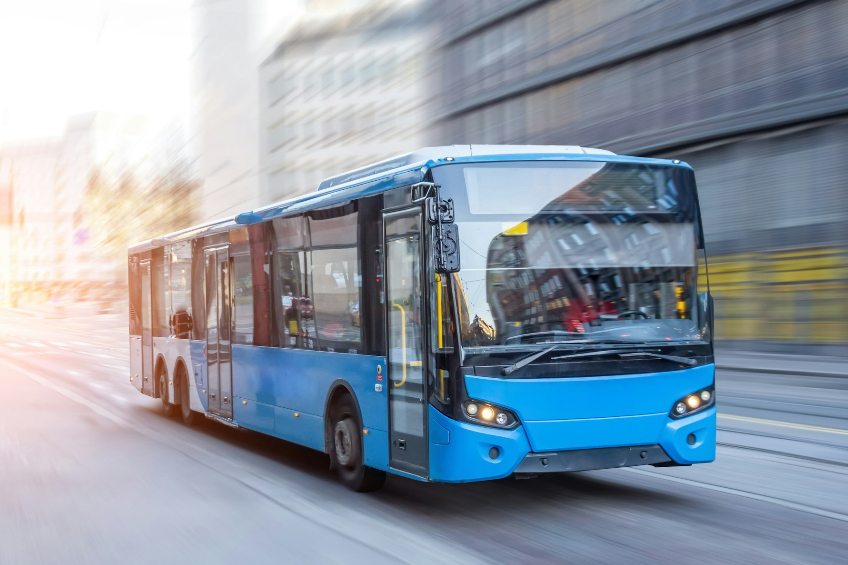
Bus accidents can cause serious injuries because buses carry many passengers and are much larger than ordinary vehicles. When a bus is not properly maintained, passengers, pedestrians, cyclists, and other drivers may all be placed at risk. In New Jersey, a bus accident caused by poor maintenance may involve the bus driver, bus company, maintenance contractor, government agency, or another responsible party.
Why Maintenance Matters
Buses must be kept in safe working condition. Problems with brakes, tires, steering, lights, mirrors, doors, emergency exits, suspension, or engine systems can make a bus difficult to control. A poorly maintained bus may fail to stop in time, drift out of its lane, break down in traffic, or create unsafe conditions for passengers entering and exiting.
The Federal Motor Carrier Safety Administration requires motor carriers to systematically inspect, repair, and maintain commercial motor vehicles under their control. Required records may include vehicle identification, maintenance schedules, and records of inspections, repairs, and maintenance.
New Jersey Bus Inspection Requirements
New Jersey also has inspection rules for commercial buses. The New Jersey Motor Vehicle Commission states that commercial buses must be inspected by the NJMVC Bus Unit, with initial inspections required before license plates and registration are issued. Commercial buses must also meet applicable Federal Motor Carrier Safety Standards.
These requirements matter in an injury claim because maintenance and inspection records may show whether a bus company followed safety rules or ignored known problems.
Common Maintenance Failures
Poor maintenance can involve many different failures. Brake problems may prevent the bus from stopping safely. Worn tires can increase the risk of skidding or blowouts. Broken lights or turn signals can make the bus harder for other drivers to see. Defective doors can injure passengers. Steering or suspension problems can cause loss of control. Emergency exit problems can create additional danger after a crash.
In some cases, the bus company may have known about the problem but delayed repairs to keep the vehicle in service. In other cases, a maintenance contractor may have performed incomplete or careless repairs.
Evidence That Can Help Prove the Claim
Bus accident claims often require quick evidence preservation. Important evidence may include inspection reports, repair records, maintenance logs, driver vehicle inspection reports, complaints from drivers, surveillance video, dashcam footage, black box data, police reports, witness statements, and photos of the bus.
Medical records are also necessary to connect the accident to the injuries being claimed. Passengers may suffer head injuries, broken bones, back injuries, neck injuries, soft tissue injuries, or emotional trauma.
Who May Be Responsible?
Responsibility depends on the facts. A private bus company may be liable for failing to maintain its fleet. A maintenance company may be liable for negligent repairs. A parts manufacturer may be involved if a defective part contributed to the crash. If the bus was operated by a public entity, special notice rules and deadlines may apply under New Jersey law.
Final Thoughts
Bus accidents caused by poor vehicle maintenance can be complex because several parties may share responsibility. In New Jersey, maintenance records, inspection documents, repair history, and electronic evidence can make a major difference in proving what went wrong. After a bus accident, early investigation is important because critical evidence may be repaired, lost, or overwritten.