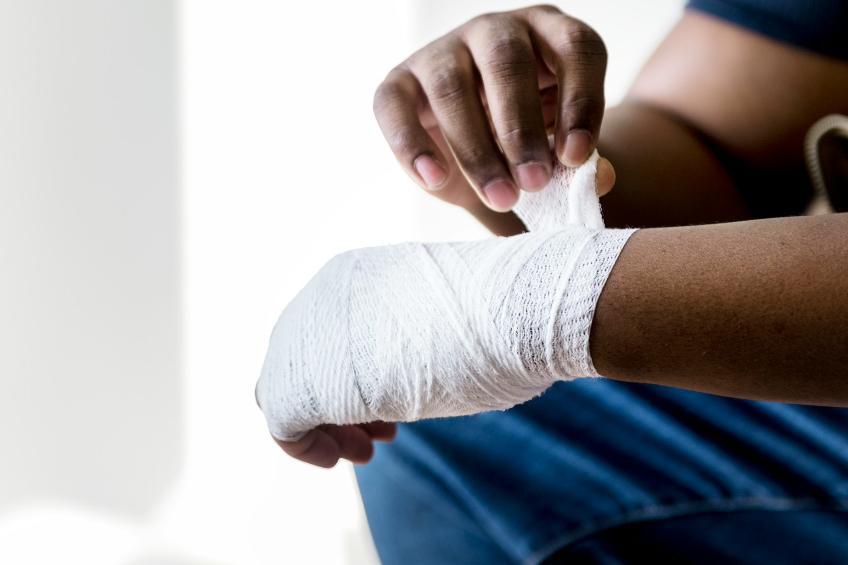
Burn injuries are among the most painful and life-altering forms of harm. When burns are caused by defective products, victims may face prolonged hospitalization, reconstructive surgery, permanent scarring, and significant emotional trauma. In New Jersey, individuals injured by unsafe consumer or industrial products may pursue compensation under product liability law.
Common Products Linked to Burn Injuries
Defective products can cause burns in a variety of ways. Some common examples include:
- Faulty electrical appliances
- Defective lithium-ion batteries
- Exploding e-cigarettes
- Malfunctioning space heaters
- Defective kitchen appliances
- Flammable clothing or textiles
- Chemical products with inadequate warnings
Burn injuries may result from fire, electrical malfunction, chemical exposure, or overheating components. In many cases, the product fails during ordinary and foreseeable use.
Legal Framework in New Jersey
Burn injury cases involving defective products are typically governed by the New Jersey Product Liability Act (NJPLA). Under this statute, a manufacturer, distributor, or seller may be held responsible if a product was defective and unreasonably dangerous when it left their control.
Product defects generally fall into three categories:
- Design defects, where the product’s overall design creates an unreasonable risk
- Manufacturing defects, where a production error makes a specific unit unsafe
- Failure to warn, where adequate safety instructions or warnings were not provided
Unlike traditional negligence claims, product liability cases often proceed under a strict liability theory. This means the injured party does not need to prove that the manufacturer intended to cause harm or acted carelessly. Instead, the focus is on whether the product itself was defective.
Proving Causation
In burn injury cases, proving causation is critical. The injured party must show that the product defect directly caused the burn. This often requires technical analysis, preservation of the product, and expert evaluation. Engineers, fire investigators, and safety specialists may be retained to determine whether the product malfunctioned.
Preserving the defective product is especially important. Altering or discarding the item can complicate the claim.
Comparative Negligence Considerations
New Jersey follows a modified comparative negligence rule. If a plaintiff misused the product in a way that was not reasonably foreseeable, damages may be reduced proportionally. However, recovery is barred if the injured party is found more than 50% responsible.
Manufacturers often argue that burns resulted from improper use rather than product defects. Detailed documentation and expert testimony are frequently necessary to address such defenses.
Damages in Burn Injury Cases
Burn injuries often require extensive medical treatment, including skin grafts, rehabilitation, and psychological counseling. Compensation may include:
- Medical expenses and future care
- Lost wages and reduced earning capacity
- Pain and suffering
- Permanent scarring and disfigurement
- Emotional distress
In severe cases, long-term disability or lifelong care may be necessary.
Statute of Limitations
In New Jersey, product liability claims must generally be filed within two years of the date of injury or discovery of the injury. Delayed action may jeopardize the ability to pursue recovery.
Conclusion
Burn injuries caused by defective products can have devastating physical and financial consequences. New Jersey law allows injured individuals to seek compensation when unsafe design, manufacturing errors, or inadequate warnings result in harm. Because these cases involve technical evidence and strict legal standards, careful investigation and prompt legal evaluation are essential to protecting the right to recovery.