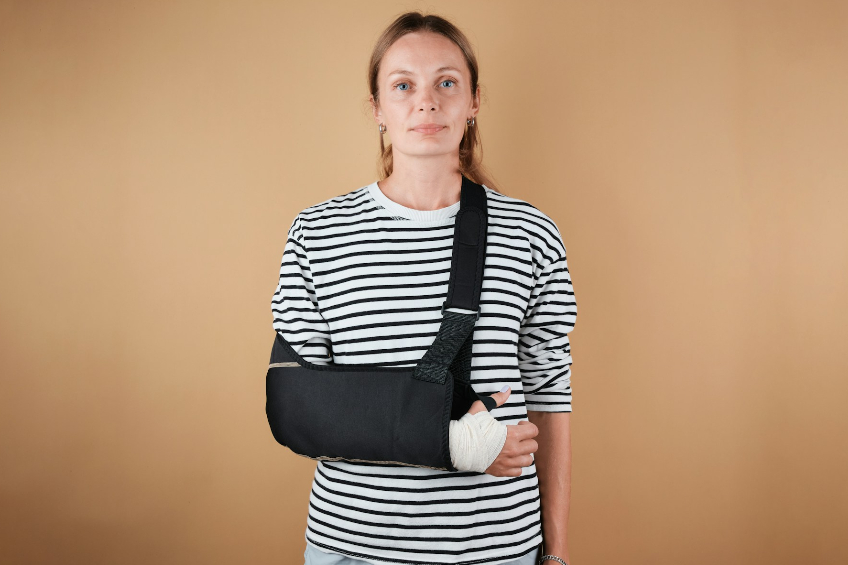
A slip and fall accident can cause more than temporary pain. In many New Jersey cases, a fall leads to broken bones that require emergency care, surgery, physical therapy, and months away from normal activities. Fractures can affect the wrist, arm, ankle, hip, shoulder, ribs, or spine. For older adults, a broken hip or serious fracture can be life-changing.
When a broken bone happens because of an unsafe property condition, the injured person may have the right to seek compensation through a premises liability claim.
Common Causes of Fall-Related Fractures
Slip and fall accidents often happen because a property owner, business, landlord, maintenance company, or public entity failed to keep the property reasonably safe. Common hazards include wet floors, snow and ice, uneven pavement, broken stairs, loose mats, poor lighting, missing handrails, cluttered walkways, and unsafe parking lots.
Not every fall creates a legal claim. To recover compensation, the injured person must usually show that a dangerous condition existed, that the responsible party knew or should have known about it, and that the condition caused the fall.
Why Broken Bone Cases Can Be Serious
A fracture may sound straightforward, but the medical and financial impact can be significant. Some broken bones heal with casting and rest. Others require plates, screws, pins, joint repair, or surgery. A person may be unable to drive, work, lift objects, walk normally, or care for family members.
Complications may include chronic pain, reduced mobility, nerve damage, infection after surgery, arthritis, or permanent limitations. These details matter because the value of a legal claim depends not only on the injury itself, but also on how the injury affects the person’s daily life and future.
Evidence Needed to Prove the Claim
Insurance companies often dispute slip and fall cases. They may argue that the hazard was obvious, that the injured person was not paying attention, or that the property owner did not have enough time to fix the condition. Strong evidence can make a major difference.
Important evidence may include photographs of the hazard, incident reports, surveillance video, witness statements, medical records, ambulance records, orthopedic reports, repair logs, cleaning schedules, and prior complaints about the same condition. Shoes and clothing worn at the time of the fall should also be preserved.
What Compensation May Be Available?
Compensation for broken bones after a New Jersey slip and fall may include emergency room bills, surgery costs, orthopedic care, physical therapy, prescription medication, future medical treatment, lost wages, reduced earning ability, pain and suffering, emotional distress, and loss of enjoyment of life.
If the injury caused permanent limitations, the claim may also include the long-term impact on work, mobility, hobbies, and independence.
What If You Are Partly Blamed?
Property owners and insurance companies may claim that you caused or contributed to the fall. In New Jersey, partial fault does not always prevent recovery, but it can reduce compensation. If the injured person is found more responsible than the defendant, recovery may be barred.
Talk to a New Jersey Slip and Fall Attorney
Broken bone cases should be handled carefully from the beginning. Medical records must clearly connect the fracture to the fall, and evidence from the accident scene should be preserved before it disappears.
If you suffered a broken bone in a slip and fall accident in New Jersey, speak with a premises liability attorney as soon as possible. A lawyer can investigate the property condition, identify responsible parties, deal with the insurance company, and pursue compensation for your medical bills, lost income, pain, and long-term losses.