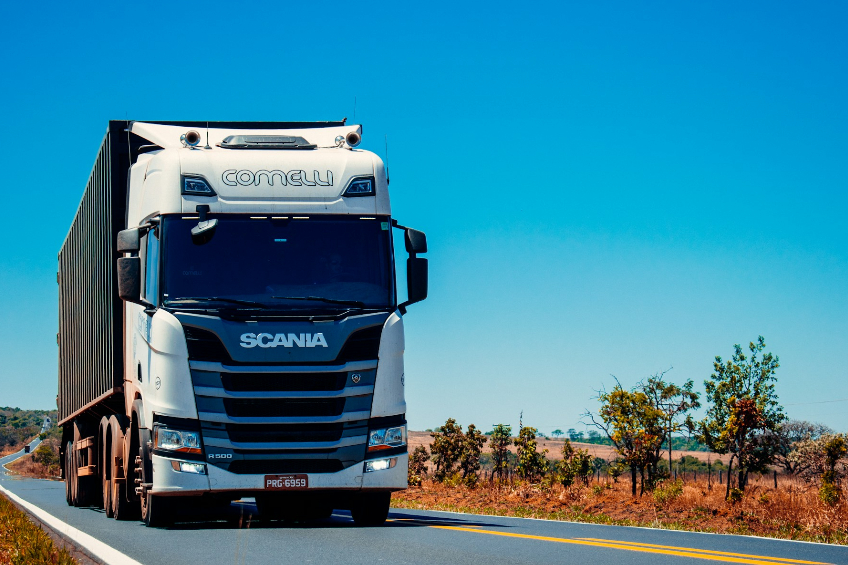
Blind spot accidents involving trucks and buses can cause serious injuries on New Jersey roads. Large commercial vehicles have limited visibility around the front, rear, and sides. When a truck or bus driver changes lanes, merges, turns, or backs up without seeing a smaller vehicle, bicyclist, pedestrian, or motorcycle, the results can be devastating.
These crashes are often more complicated than regular car accident claims because they may involve commercial drivers, transportation companies, public entities, maintenance records, video footage, and federal safety rules.
Why Blind Spots Are So Dangerous
Trucks and buses are much larger than passenger vehicles. Their height, length, mirrors, and turning radius create areas where other road users may be difficult or impossible for the driver to see. These areas are often called no-zones.
Blind spot crashes commonly happen when a truck or bus:
- Changes lanes on a highway
- Merges into traffic
- Makes a wide right turn
- Backs up in a parking lot or loading area
- Pulls away from a curb or bus stop
- Drifts into another lane
Even at lower speeds, a bus or truck can cause severe injuries because of its size and weight.
Who May Be Responsible?
Liability depends on the facts. The truck or bus driver may be responsible if they failed to check mirrors, signal properly, maintain a safe lookout, or complete a maneuver safely. The company that employed the driver may also be liable if it failed to train, supervise, or properly screen the driver.
Other parties may also be involved. A maintenance company may be responsible if mirrors, cameras, brakes, lights, or warning systems were not working properly. A government entity may be involved if the vehicle was a public bus or if unsafe road design contributed to the crash.
Evidence in a Blind Spot Accident Claim
Blind spot cases often depend on evidence that must be preserved quickly. Important evidence may include police reports, witness statements, dash camera footage, bus camera footage, truck black box data, GPS data, driver logs, inspection records, maintenance records, dispatch records, and photos of vehicle damage.
Accident reconstruction experts may also be needed to determine where each vehicle was before impact, whether the truck or bus driver should have seen the victim, and whether the maneuver was unsafe.
Common Injuries
Blind spot accidents involving trucks and buses can cause traumatic brain injuries, spinal injuries, fractures, shoulder injuries, internal injuries, crush injuries, amputations, and wrongful death. Motorcyclists, bicyclists, and pedestrians are especially vulnerable because they have little protection from impact.
The value of a claim may include medical bills, future treatment, lost wages, reduced earning capacity, pain and suffering, disability, and loss of enjoyment of life.
What If the Insurance Company Blames You?
Insurance companies may argue that the injured person was traveling in the truck or bus blind spot for too long, speeding, passing improperly, or failing to avoid the crash. In New Jersey, partial fault does not always prevent recovery, but it can reduce compensation. If the injured person is found more responsible than the defendant, recovery may be barred.
Speak With a New Jersey Truck and Bus Accident Attorney
Blind spot accidents require fast investigation. Video footage may be erased, vehicle data may be overwritten, and commercial records may be difficult to obtain without legal action.
If you were injured in a blind spot accident involving a truck or bus in New Jersey, speak with an attorney as soon as possible. A lawyer can preserve evidence, identify responsible parties, review commercial records, and pursue compensation for your injuries and long-term losses.