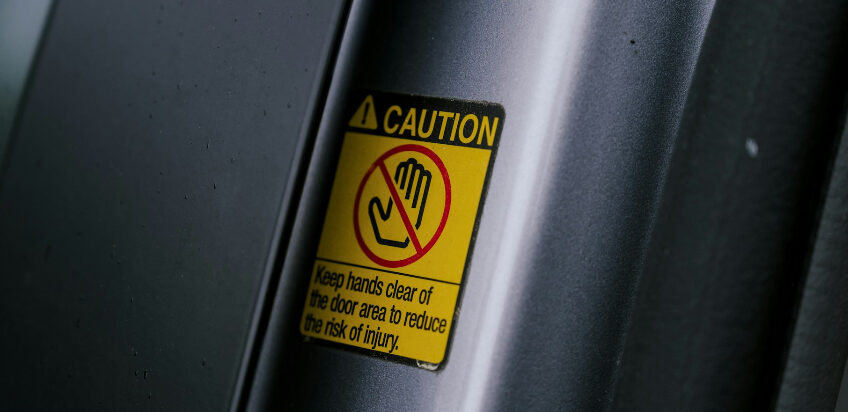
When consumers purchase a product, they trust that it is safe to use as intended. However, even well-designed and properly manufactured products can pose risks if users are not adequately warned about potential dangers. In product liability law, the role of warnings and instructions is critical. Failure to provide clear, accurate, and visible warnings can make a manufacturer or seller legally responsible for injuries that occur. In New Jersey, this legal concept is known as a failure-to-warn claim, and it plays a major role in many product liability cases.
Understanding Failure-to-Warn Claims
Under New Jersey’s Product Liability Act, a manufacturer or distributor has a duty to warn consumers about non-obvious risks associated with the normal use of its product. This duty extends not only to end users but also to intermediaries such as retailers, employers, or doctors who may distribute the product. If a company fails to provide proper warnings or instructions, it may be held liable for any harm that results. The reasoning is simple: a consumer cannot avoid a danger they were never warned about.
Failure-to-warn claims are often brought when an injury occurs despite the product functioning as designed. For example, a chemical cleaner that burns skin without a visible warning label, or a power tool that lacks instructions about proper protective gear, can both lead to liability claims even if there was no manufacturing or design defect.
What Makes a Warning Legally Adequate
Not all warnings meet the legal standard of adequacy. For a warning to be considered sufficient under New Jersey law, it must be clear, specific, and prominently displayed. A legally adequate warning should:
- Identify the specific risk or hazard.
- Explain the consequences of ignoring the warning.
- Provide clear instructions for safe use or avoidance of danger.
- Be placed in a visible location and written in understandable language.
Courts may also consider the size of the warning label, color, font, and whether it was included in packaging or instructions. A vague or hidden disclaimer buried in a manual rarely satisfies legal requirements.
Common Examples of Failure-to-Warn Cases
Failure-to-warn cases can arise in nearly any industry. Common examples include:
- Medications and medical devices: Pharmaceutical companies must disclose known side effects and contraindications. Failing to warn doctors or patients about risks like heart complications or birth defects can result in liability.
- Consumer products: Household cleaners, power tools, and electronics must have labels that explain safe handling, storage, and operation.
- Industrial equipment: Manufacturers of heavy machinery must provide clear instructions on proper maintenance and the use of safety guards.
- Children’s products: Toys and baby equipment must include warnings about choking hazards, age restrictions, and proper assembly.
In many of these cases, companies argue that the danger was obvious or that the consumer misused the product. However, if an average user could not reasonably anticipate the risk, the manufacturer may still be found liable.
The Duty to Update Warnings
Manufacturers also have a continuing duty to warn consumers even after a product has been sold. If new information about potential risks becomes available, companies must issue updated warnings, recalls, or safety notices. Inaction can expose them to liability for failing to take reasonable steps to prevent further harm.
For instance, if a company discovers that its electric heater poses a fire risk after several incidents, it must promptly alert consumers and regulators. Ignoring such evidence can turn a preventable hazard into a widespread legal issue.
Compensation for Victims
Victims injured due to inadequate warnings or instructions may be entitled to compensation for medical bills, lost wages, pain and suffering, and emotional distress. In cases where the company’s conduct was reckless or intentionally deceptive, courts may also award punitive damages to punish wrongdoing and deter future negligence.
Conclusion
Warnings and instructions are more than just fine print—they are a vital part of consumer safety and corporate responsibility. In product liability cases, they often determine whether a company acted reasonably to protect users from harm. In New Jersey, manufacturers and distributors are legally obligated to provide clear and timely warnings about all foreseeable dangers. When they fail to do so, injured consumers have the right to pursue justice and hold those companies accountable. Proper labeling and transparent communication not only prevent accidents but also strengthen trust between businesses and the public.