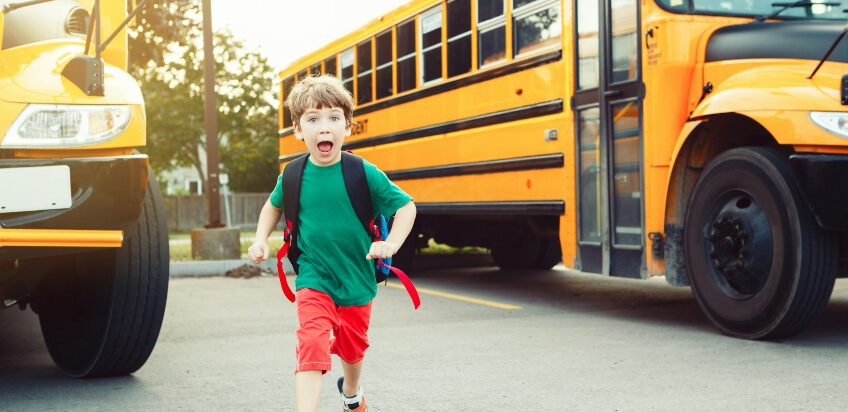
Each day, thousands of children across New Jersey rely on school buses as one of the safest means of transportation. While school buses are designed with safety in mind, accidents and violations can still occur if drivers, schools, or transportation companies fail to follow the law. Understanding New Jersey’s school bus safety laws is essential for parents who want to ensure their children are protected on the road.
Strict Licensing and Driver Requirements
New Jersey imposes specific regulations on school bus drivers to help safeguard passengers. Drivers must hold a valid Commercial Driver’s License (CDL) with both a Passenger (P) and School Bus (S) endorsement. To qualify, applicants must pass a background check, medical examination, vision test, and a criminal history review by the Department of Education. Drivers are also required to undergo regular drug and alcohol testing, as well as ongoing safety training. These rules help ensure that only qualified, responsible individuals are entrusted with transporting students.
Vehicle Safety Standards
School buses in New Jersey must meet rigorous inspection and maintenance requirements. The Motor Vehicle Commission (MVC) mandates that every school bus be inspected twice a year—once by the MVC and once by the bus owner or operator. These inspections cover brakes, tires, emergency exits, lighting, and other safety features. Additionally, all buses must be painted bright yellow with visible “SCHOOL BUS” markings, flashing red and amber lights, and a stop arm to alert drivers when children are boarding or exiting.
Rules for Other Motorists
One of the most important safety laws involves how other drivers must behave around school buses. When a school bus is stopped with its red lights flashing, all vehicles—whether approaching from the front or rear—must come to a complete stop at least 25 feet away. This law applies to both two-lane and multi-lane roads, except when there is a physical median separating traffic. Failure to stop for a school bus in New Jersey can result in steep fines, points on a driver’s license, and possible suspension. These strict penalties reflect the state’s commitment to protecting children as they enter and exit buses.
Safety Procedures for Boarding and Exiting
Bus drivers must follow strict loading and unloading procedures. They are required to activate flashing lights and extend the stop arm whenever students are getting on or off. Drivers must ensure that all children are safely across the roadway before moving the vehicle. Parents should also teach their children to wait for the driver’s signal before crossing the street and to stay at least 10 feet away from the front or sides of the bus. Simple awareness and consistency in these routines can prevent tragic accidents.
Seat Belt Requirements and Student Conduct
Since 1992, all new school buses in New Jersey have been required to include seat belts. State law also mandates that students wear them while the bus is in motion. Schools are responsible for educating students about proper seat belt use and maintaining discipline on board. Misbehavior or distraction can compromise the driver’s focus, so many districts enforce strict codes of conduct to ensure a safe environment for everyone.
Reporting Violations and Concerns
Parents play a vital role in maintaining school bus safety. If you observe unsafe driving, poorly maintained vehicles, or violations of traffic laws, these should be reported to the local police department, the New Jersey Motor Vehicle Commission, or the school district’s transportation office. Many buses are now equipped with cameras that record both inside and outside activity, providing valuable evidence in the event of an incident or complaint.
Conclusion
New Jersey’s school bus safety laws are designed to protect students through comprehensive driver requirements, vehicle inspections, and strict rules for surrounding motorists. By understanding these laws and teaching children safe behavior around school buses, parents can help prevent accidents and injuries. Safety on the road is a shared responsibility—one that requires cooperation from drivers, schools, and families alike. When everyone follows the law and remains alert, children can travel to and from school safely every day.