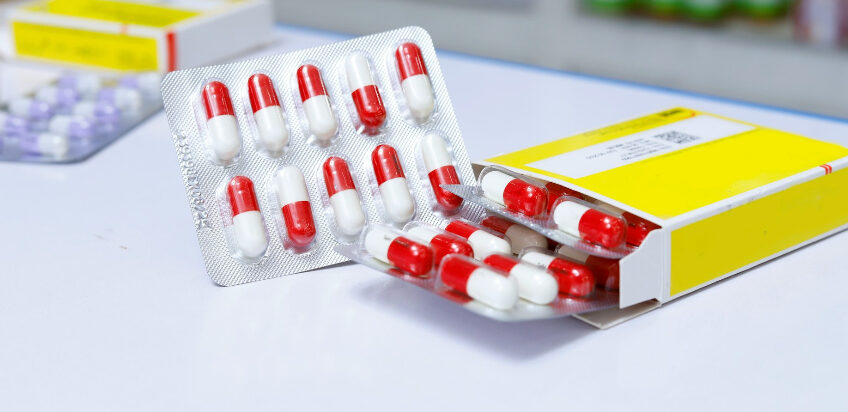
Prescription and over-the-counter medications are meant to improve health, manage chronic conditions, and save lives. However, when a pharmaceutical product is defective or unreasonably dangerous, the consequences can be devastating. In New Jersey, pharmaceutical product liability laws exist to protect consumers who are harmed by unsafe drugs or medical products. Understanding how these laws work can help victims seek justice and compensation when medication causes harm.
Understanding Pharmaceutical Product Liability
Pharmaceutical product liability refers to the legal responsibility of drug manufacturers, distributors, or healthcare providers when a medication causes injury or illness. Under New Jersey law, these cases generally fall under the broader category of product liability, which holds companies accountable when their products are defective or fail to warn consumers about potential risks. Victims do not necessarily have to prove negligence; they only need to show that the medication was defective and that defect directly led to their harm.
Types of Defects in Drug Liability Cases
There are three main types of defects that can make a pharmaceutical company liable for damages:
- Design Defects: These occur when a drug is inherently unsafe even if it is manufactured correctly. A design defect means that the drug’s formula carries unacceptable risks that outweigh its benefits.
- Manufacturing Defects: These happen during the production process, when an error or contamination causes the medication to deviate from its intended design. A manufacturing defect may affect only a single batch or even a single bottle.
- Failure to Warn (Marketing Defects): One of the most common claims in pharmaceutical cases involves a lack of adequate warnings or instructions. If a manufacturer or distributor fails to properly inform doctors and patients of known side effects, interactions, or contraindications, they can be held legally responsible.
Who Can Be Held Liable
Several parties in the pharmaceutical supply chain can be held accountable when medication causes harm. This includes:
- Drug manufacturers, for designing or producing defective products.
- Pharmaceutical distributors, for continuing to sell unsafe or recalled medications.
- Doctors and pharmacists, for prescribing or dispensing the wrong medication or dosage.
- Testing laboratories, for inaccurate testing or failure to identify risks during development.
In some cases, multiple defendants share responsibility, making these lawsuits complex and evidence-intensive.
Evidence and Expert Testimony
Proving a pharmaceutical product liability case requires extensive documentation and expert analysis. Medical records, prescription histories, and pharmacy receipts help establish a link between the medication and the patient’s injuries. Expert witnesses—such as pharmacologists, toxicologists, and medical professionals—are often called upon to testify about how the drug caused harm and whether safer alternatives existed. In New Jersey, plaintiffs must also demonstrate that they used the drug as directed and that the injury was not caused by another underlying medical condition.
Damages and Compensation
Victims of defective or dangerous medications may be entitled to compensation for a range of losses. These include medical expenses, lost income, ongoing care costs, and pain and suffering. In cases involving permanent injury or death, families may pursue wrongful death claims to recover additional damages. In some instances, courts may also award punitive damages to punish companies for extreme negligence or reckless disregard for consumer safety.
Time Limits for Filing a Claim
New Jersey law sets a two-year statute of limitations for product liability lawsuits, meaning victims must file their claim within two years of discovering the injury. However, the “discovery rule” may extend this period if the harm was not immediately apparent—common in cases where side effects develop months or years after use. Consulting a qualified attorney as soon as possible ensures that critical evidence is preserved and deadlines are met.
Conclusion
Pharmaceutical product liability laws in New Jersey exist to protect consumers from dangerous or defective medications. When a drug that was supposed to heal instead causes harm, victims have the right to hold manufacturers and other responsible parties accountable. These cases are complex and often involve powerful corporations, but with skilled legal representation, injured patients can seek justice and secure the compensation needed for recovery. Ultimately, holding pharmaceutical companies accountable not only helps victims but also promotes safer drug development and greater transparency across the healthcare industry.