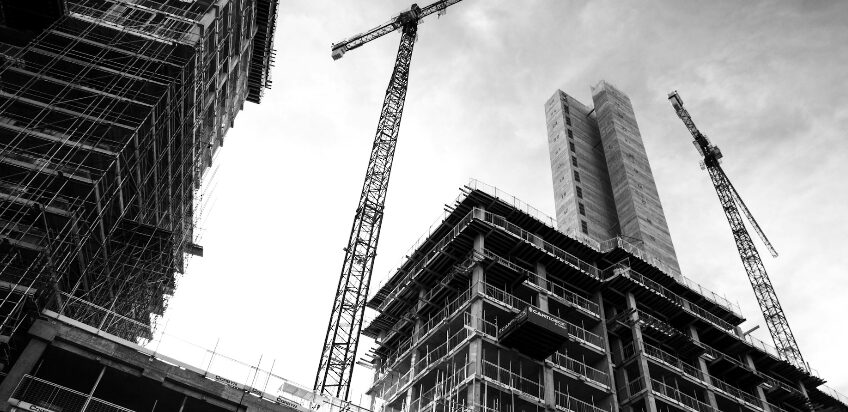
Construction sites involve the use of flammable materials, heavy equipment, electrical systems, and pressurized substances, all of which increase the risk of fires and explosions. When these accidents occur, the consequences are often catastrophic, resulting in severe injuries, permanent disability, or loss of life. Under New Jersey law, explosion and fire accidents on construction sites raise complex legal issues involving safety regulations, multiple responsible parties, and significant damages.
Common Causes of Explosions and Fires
Fires and explosions on construction sites may result from a wide range of hazards. Gas leaks, improper storage of flammable materials, faulty electrical wiring, welding or cutting operations, and malfunctioning equipment are among the most common causes. In some cases, explosions occur due to inadequate ventilation in confined spaces where combustible gases accumulate. Failure to follow proper safety procedures significantly increases the likelihood of these accidents.
Who May Be Liable for Fire and Explosion Accidents
Determining liability after a construction site explosion or fire often requires a detailed investigation. Responsibility may rest with multiple parties, including general contractors, subcontractors, property owners, equipment manufacturers, or utility companies. Employers may be protected from direct lawsuits by workers’ compensation laws, but third-party claims may still be available when another entity’s negligence contributed to the accident.
Role of Safety Regulations
Construction site fires and explosions are closely scrutinized under state and federal safety regulations. These rules govern the handling of flammable materials, electrical systems, hot work procedures, and emergency response planning. Violations of safety standards can serve as powerful evidence of negligence. Unlike many other injury cases, regulatory compliance plays a central role in establishing liability in construction-related fire and explosion claims.
Types of Injuries Caused by Fires and Explosions
Explosion and fire accidents often cause devastating injuries. Victims may suffer severe burns, inhalation injuries, traumatic brain injuries, hearing loss, and orthopedic trauma. Burn injuries, in particular, can require extensive medical treatment, multiple surgeries, and long-term rehabilitation. Psychological injuries, including post-traumatic stress, are also common after such events.
Evidence Needed to Support a Claim
Because of the severity and complexity of these accidents, thorough evidence collection is essential. This may include incident reports, fire marshal investigations, safety logs, maintenance records, witness statements, and expert analysis. Engineering and fire safety experts are often needed to determine the origin and cause of the explosion or fire and whether safety failures played a role.
Damages in Construction Site Fire and Explosion Cases
Damages in these cases are often substantial due to the severity of injuries and long-term consequences. Compensation may include medical expenses, lost wages, reduced earning capacity, pain and suffering, and future care costs. In fatal cases, surviving family members may pursue wrongful death claims.
Conclusion
Explosion and fire accidents on construction sites are among the most serious workplace incidents. New Jersey law provides legal avenues for injured workers and families to seek accountability when negligence or safety violations contribute to these disasters. Because these claims involve complex liability issues and extensive evidence, understanding how the law applies to construction site fires and explosions is essential when evaluating potential legal options.