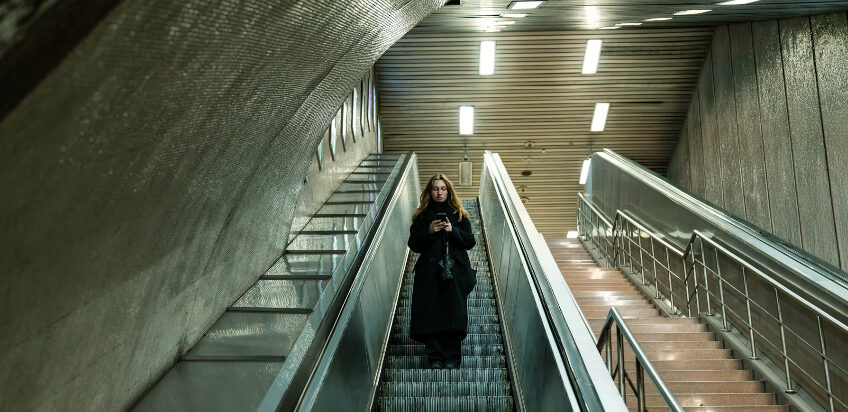
Elevators and escalators are part of daily life in New Jersey’s office buildings, shopping centers, apartment complexes, and transportation hubs. While these systems are designed for safety, accidents can and do happen — often due to poor maintenance, design flaws, or operator negligence. When they occur, victims may suffer serious injuries such as fractures, head trauma, spinal cord injuries, or even wrongful death. Understanding who bears legal responsibility in these cases is essential for protecting victims’ rights and ensuring property owners uphold safety standards.
Common Causes of Elevator and Escalator Accidents
Accidents often stem from mechanical failure, electrical malfunction, or human error. Common causes include sudden drops or stops, faulty wiring, defective doors that close too quickly, or escalators that jerk unexpectedly. Poor maintenance and lack of inspections are major contributors. Under New Jersey law, property owners, maintenance contractors, and manufacturers all have a duty to ensure that these machines operate safely. When they fail to meet this duty, they can be held liable for resulting injuries.
Legal Duties of Property Owners and Maintenance Companies
In New Jersey, property owners and those responsible for building management have a legal duty to maintain elevators and escalators in a reasonably safe condition. This duty includes conducting regular inspections, following manufacturer maintenance schedules, and promptly repairing any known defects. If an owner hires a third-party maintenance company, that contractor also bears responsibility for negligent servicing. Failure to replace worn components, ignoring warning lights, or using unqualified personnel can all amount to negligence.
Escalator and elevator maintenance companies must also comply with state safety regulations and industry standards set by organizations like the American Society of Mechanical Engineers (ASME). These standards govern everything from speed control to emergency braking systems. Ignoring them can constitute a breach of professional duty and serve as strong evidence in a personal injury claim.
Manufacturer Liability for Defective Equipment
In some cases, the accident may result not from improper maintenance but from a design or manufacturing defect. For instance, a faulty door sensor might fail to detect a passenger entering or exiting, leading to entrapment or crushing injuries. In such situations, the manufacturer may be held liable under New Jersey’s product liability laws. Victims can file a claim based on defective design, manufacturing error, or inadequate warning labels. Unlike negligence claims, product liability cases do not require proof of carelessness — only that the product was unsafe and directly caused the injury.
Establishing Negligence and Proving Liability
To succeed in a premises liability or negligence claim, the injured party must show that the responsible party owed a duty of care, breached that duty, and caused measurable harm. Evidence such as maintenance logs, inspection reports, surveillance footage, and witness statements can be vital. New Jersey law requires that elevators and escalators undergo periodic inspections by certified professionals. Failure to comply can demonstrate a pattern of negligence, strengthening the victim’s case.
Compensation for Victims
Victims of elevator or escalator accidents may be entitled to compensation for medical expenses, lost wages, pain and suffering, and long-term rehabilitation. In severe cases, such as those involving paralysis or death, families may pursue wrongful death claims. Because multiple parties may share fault — including property owners, maintenance companies, and manufacturers — identifying all responsible entities is crucial to obtaining full compensation.
Conclusion
Elevator and escalator accidents are preventable tragedies often caused by carelessness, poor maintenance, or defective equipment. New Jersey law holds property owners and maintenance contractors to strict safety standards, ensuring public protection. If you or a loved one has been injured in such an incident, consulting an experienced personal injury attorney is vital. A skilled lawyer can investigate the cause, determine liability, and fight for the compensation you deserve. Public safety depends on accountability — and holding negligent parties responsible is the first step toward preventing future accidents.