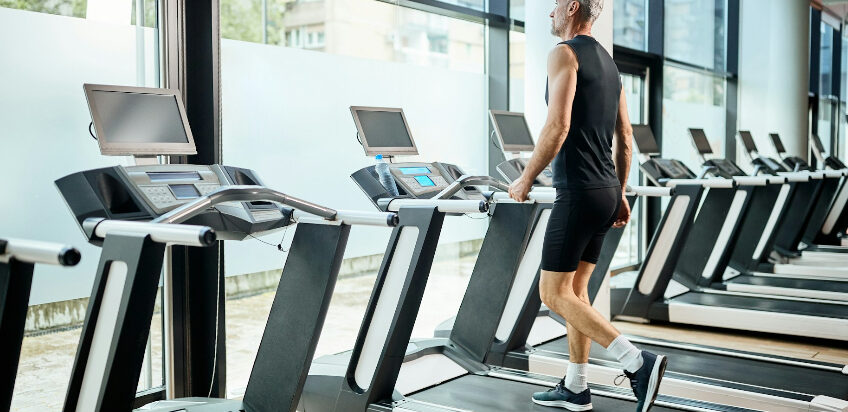
Gyms, fitness centers, and sports facilities are designed to promote health and physical activity, but they also present a higher risk of injury than many other public spaces. Heavy equipment, fast-paced activities, and crowded environments can quickly lead to accidents if safety standards are not followed. Under New Jersey law, gym owners and facility operators have legal responsibilities to provide reasonably safe conditions for members, guests, and visitors.
Common Causes of Gym and Sports Facility Accidents
Many injuries in gyms and sports facilities stem from poor maintenance or inadequate supervision. Common hazards include malfunctioning exercise equipment, loose cables or weights, slippery locker room floors, uneven surfaces on courts or tracks, and inadequate lighting. In group fitness classes, injuries may occur due to overcrowding, lack of proper instruction, or unsafe class layouts. Sports facilities may also present risks from defective goalposts, improperly secured nets, or poorly maintained playing surfaces.
Duty of Care Owed by Gym Owners and Operators
Individuals who use gyms and fitness centers are typically considered invitees under New Jersey premises liability law. As a result, facility owners owe them a high duty of care. This includes regularly inspecting equipment, repairing or removing defective machines, keeping floors dry and free of obstacles, and ensuring that staff are properly trained to supervise activities. Failure to meet these responsibilities can result in liability if a member or visitor is injured.
Waivers and Liability Releases
Many gyms require members to sign liability waivers as part of their membership agreements. While these waivers may limit certain claims, they do not automatically protect gym owners from responsibility. Under New Jersey law, waivers generally do not excuse gross negligence, reckless conduct, or failure to maintain safe premises. If an injury results from unsafe conditions or defective equipment, a waiver may not prevent a legal claim.
Supervision and Instruction Issues
Injuries may also occur when staff fail to provide adequate instruction or supervision. This is particularly relevant for new members, youth programs, or specialized training sessions. Improper spotting during weightlifting, failure to enforce safety rules, or allowing unsafe behavior can all contribute to serious injuries. Facility operators may be held responsible when insufficient supervision plays a role in an accident.
Types of Injuries Seen in Fitness and Sports Facilities
Accidents in these environments can result in a wide range of injuries, including sprains, muscle tears, fractures, head injuries, and spinal damage. In severe cases, injuries may require surgery or lead to long-term physical limitations. Recovery often involves significant medical expenses and time away from work or daily activities.
Steps to Take After a Gym or Sports Facility Injury
Prompt medical attention should always be a priority. Injuries should be reported to facility staff, and an incident report should be completed. Photographs of the equipment or area involved, witness information, and medical documentation can be critical in determining whether negligence contributed to the accident.
Conclusion
Accidents at gyms, fitness centers, and sports facilities are not always the result of unavoidable risks. When injuries occur due to poor maintenance, inadequate supervision, or unsafe conditions, New Jersey law may allow injured individuals to pursue compensation. Understanding how premises liability principles apply in these settings is essential when evaluating legal options after a fitness-related injury.